
Flowers
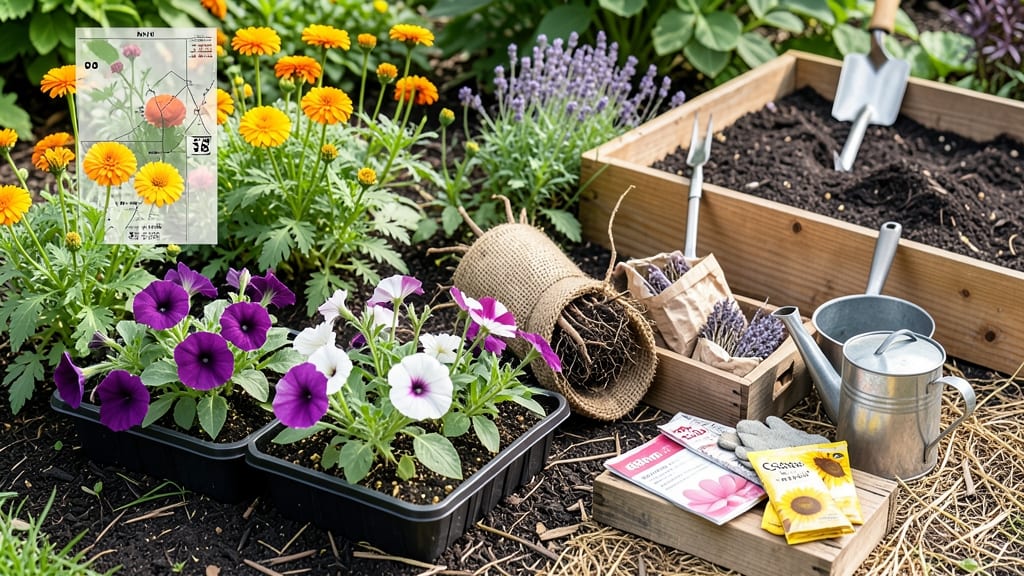
To plant flowers in New York with zero-frost blooms, timing is everything—especially when USDA zones 6a-7b swing between icy springs and sweltering summers.
Timing your flower planting in New York’s unpredictable climate can mean the difference between vibrant blooms and wilted disappointment—here’s how to nail the perfect schedule for zero-frost success.
Whether you’re sowing annuals like petunias or perennials like coneflowers, the last frost date (around April 15) is your cue to start. But don’t stop there—fall planting in September can give you a head start on next year’s garden.
Below, I’ll break down the exact months to plant by flower type, regional adjustments for Upstate vs. NYC, and how to prep your soil for maximum blooms without the guesswork.
New York planting zones: which flowers thrive in each region?
New York’s diverse climate—from the Adirondacks’ chilly Zone 5 to NYC’s warmer Zone 7—creates unique challenges for gardeners. Understanding your USDA planting zone and microclimates (like urban heat islands or lake-effect zones) ensures your flowers thrive.
Upstate regions like Albany (Zone 6a) and Buffalo (Zone 6b) face earlier frosts, while Long Island (Zone 7a) enjoys longer growing seasons. Let’s break down the best flowers for each zone and their ideal planting windows.
First, know your last frost dates: Upstate areas average April 15–May 1, while NYC typically sees its last frost around May 10–15. For fall planting, aim for September 1–October 1 before the first frost hits (usually October 15–30).
These dates shift slightly each year, so always check local frost charts or use apps like Old Farmer’s Almanac for real-time updates.
Here’s how to match your USDA Zone with the best flowers for your region, including annuals, perennials, and bulbs that handle New York’s humidity and temperature swings. The table below highlights top performers and their planting windows.
| Zone & Region | Best Flowers | Planting Window | Notes |
|---|---|---|---|
| Zone 5 (Upstate: Adirondacks, Catskills) | Hardy Perennials: Coneflowers, Black-Eyed Susans, Daylilies Bulbs: Daffodils, Tulips |
Spring: April 20–May 15 Fall: September 1–15 |
Cold-hardy; mulch heavily in winter. Annuals like Marigolds tolerate short seasons. |
| Zone 6 (Upstate: Albany, Syracuse, Rochester) | Annuals: Petunias, Zinnias, Sunflowers Perennials: Peonies, Lavender |
Spring: May 1–June 1 Fall: September 15–October 1 |
Longer season than Zone 5; start tender annuals indoors in March. |
| Zone 7 (NYC, Long Island, Hudson Valley) | Heat-Tolerant Annuals: Geraniums, Vinca, Coleus Perennials: Rudbeckia, Salvia |
Spring: May 10–June 10 Fall: September 15–October 15 |
Urban heat islands delay frost; opt for drought-resistant varieties. |
| Microclimates (NYC Rooftops, Lakeside Gardens) | Container-Friendly: Pansies, Snapdragons, Begonias Shade-Tolerant: Impatiens, Fuchsias |
Spring: May 1–June 1 Fall: September 1–October 10 |
Use self-watering containers and lightweight soil mixes for rooftops. |
For Upstate gardeners in Zones 5–6, focus on cold-resistant perennials like Russian Sage or Catmint, which rebound quickly after frost. In Zone 7 (NYC and coastal areas), prioritize heat-loving annuals such as Portulaca or Lantana, which thrive in urban heat islands.
Always adjust for microclimates: A north-facing wall may delay planting by 2 weeks, while a south-facing garden can push your window earlier.
Bulbs like Tulips and Daffodils should be planted in fall (October–November) for spring blooms, while spring-planted bulbs (e.g., Crocuses) go in September. Perennials like Black-Eyed Susans establish best when planted in early spring or early fall, giving roots time to settle before winter. Annuals, however, demand precision: Plant heat-lovers (e.g., Marigolds) only after soil warms to 60°F—typically late May.
NYC gardeners face unique challenges, like limited space and
Monthly flower planting calendar: exact dates for zero-frost blooms
New York’s USDA zones 6a-7b demand precision when planting flowers—miss the last frost date (typically April 15), and your tender annuals will suffer. But with the right timing, you can enjoy continuous blooms from May through October, even in NYC’s urban heat islands.
The key? Planting cool-season flowers in early spring and warm-season varieties after Memorial Day, while adjusting for fall’s shorter window.
Container gardens in NYC face extra heat stress, so I’ll include adjustments for potted plants that dry out faster. Whether you’re sowing seeds or transplanting seedlings, this calendar ensures your flowers thrive without frost damage or heat shock. Let’s dive into the exact dates and prep steps for each month.
Soil temp: 40-50°F
Action: Start hardy annuals (pansies, snapdragons) indoors or sow cool-loving perennials (peony, columbine) outdoors. Amend soil with compost for fall-blooming bulbs like tulips.
Soil temp: 50-60°F
Action: Plant cool-season veggies (lettuce, spinach) as cover crops. Wait until April 20-25 (NYC) or May 1 (Upstate) to sow tender annuals (marigolds, zinnias) outdoors.
Soil temp: 60-70°F
Action: Transplant heat-loving annuals (petunias, geraniums) after May 10. Mulch containers in NYC to retain moisture. Start tomatoes/peppers outdoors if night temps stay above 55°F.
Soil temp: 70-80°F
Action: Sow summer-blooming seeds (sunflowers, cosmos) directly into soil. Deadhead spring bulbs (daffodils) to redirect energy. In containers, use self-watering pots to combat NYC heat.
Soil temp: 60-70°F
Action: Plant cool-season flowers (asters, chrysanthemums) by September 15. Divide perennials (daylilies, hostas) to rejuvenate growth. Add organic mulch to insulate roots.
Soil temp: 50-60°F
Action: Sow winter-hardy annuals (pansies, sweet alyssum) by October 10. Protect containers with bubble wrap for sub-32°F nights. Harvest seeds from perennials (coneflowers, black-eyed Susans) before frost.
For container gardens in NYC, adjust planting dates 1-2 weeks earlier—urban heat islands can push soil temps up by 10°F. Use lightweight potting mix and elevate pots to improve drainage. If a heatwave hits, shade containers with frost cloth during peak sun (11 AM–3 PM) to prevent wilting.
Pro tip: Mark your calendar for Memorial Day weekend (late May)—this is the safest time to plant warm-season annuals across all of New York. For perennials like lavender or Russian sage, wait until June to avoid transplant shock from late frosts.
And always check the National Weather Service for localized frost alerts in October.
By following this timeline, you’ll avoid the 5 most common planting mistakes in NY gardens: rushing too early, ignoring soil warmth, overcrowding containers, and skipping mulch. Your reward? A garden bursting with zero-frost blooms from spring to fall.