
Plants
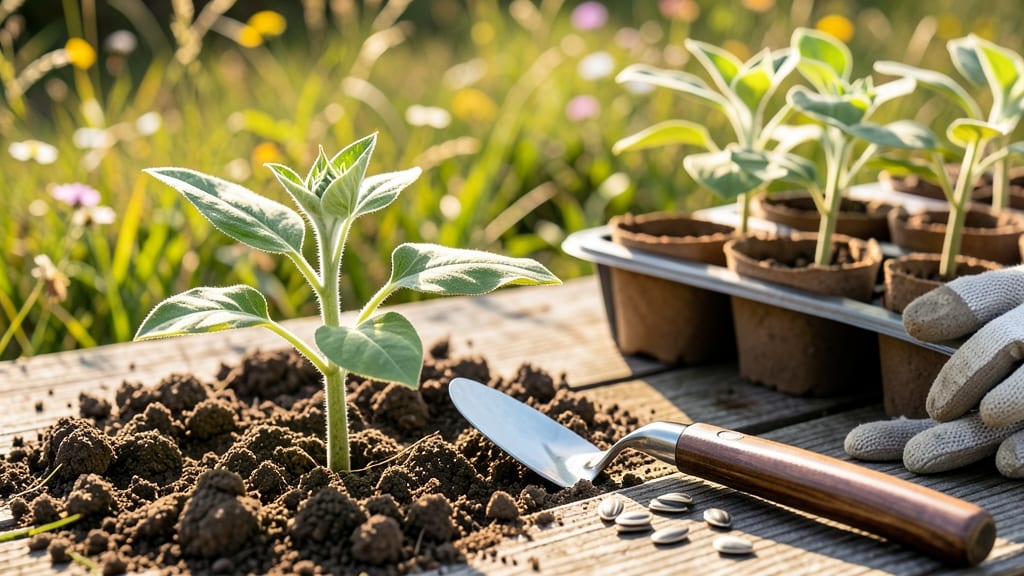
Plant sunflower seeds in Zone 6 after your last frost date — typically between mid-April and early June for the tallest, healthiest blooms 🌻.
Timing is everything with sunflowers, because plant too early and cold soil can rot your seeds, while waiting too late risks frost-killed stalks before they reach their full glory.
In Zone 6, where frost can linger into May or arrive as early as October, getting the window right means the difference between a 16-foot giant and a sad, stunted plant.
Most gardeners in 6a-6b regions focus on two planting windows: the primary spring window (April to early June) and a late-summer option for fall color. But soil temperature matters just as much as the calendar — seeds need consistently warm soil (at least 50°F) to sprout reliably.
Below, I’ll break down the exact frost dates to watch, how to adjust for early or late years, and the three key signs your soil is ready for seeds. Plus, I’ll share my trick for extending the season so you can enjoy sunflowers well into September.
Optimal planting windows for sunflowers in Zone 6: soil temps and frost dates
Sunflowers thrive in Zone 6 when planted during two key windows: spring and late summer. The last spring frost typically arrives between April 15–May 15, while the first fall frost hits around October 1–15.
These dates create a 165-day frost-free window, perfect for sunflowers that mature in 60–120 days. Timing your seeds correctly ensures tall, healthy stalks that bloom before frost nips them.
For spring planting, aim for mid-April to early May once soil temperatures consistently reach 60°F+. This gives shorter varieties (60–70 days to bloom) enough time to mature before summer heat stress.
Longer varieties (90–120 days) should be planted by late May to avoid frost risks. Always check your local frost date averages—some Zone 6 areas may have earlier or later frosts.
Soil temperature is critical: sunflower seeds won’t germinate well below 50°F, and ideal sprouting occurs at 60°F+. Use a soil thermometer to confirm warmth before planting. If your soil is still cold in early spring, wait—cold soil causes rot and poor germination. Patience here pays off with stronger seedlings.
If you miss the spring window, don’t despair—late summer planting (late July to early August) can still yield stunning fall blooms. Choose fast-maturing varieties (60–70 days) like 'Teddy Bear' or 'ProCut' to ensure they bloom before the first frost.
These varieties tolerate cooler soils and shorter growing seasons. Just be prepared to use row covers if frost threatens early.
Adjust your planting timeline if your Zone 6 area experiences early or late frosts. Check your local Almanac frost dates or use a frost calendar for your specific county. For example, if your last frost is May 10, plant by mid-April for early blooms.
Conversely, if frost arrives by September 20, avoid planting after July 15 to ensure maturity before cold snaps.
For succession planting, sow seeds every 2–3 weeks from spring through early summer. This staggered approach ensures continuous blooms and prevents overcrowding. Space seeds 6 inches apart initially, then thin to 12–24 inches once seedlings are 4–6 inches tall.
Proper spacing reduces competition for nutrients and sunlight, leading to taller, straighter stalks.
Monitor your sunflowers’ growth rate—tall varieties (8–16 ft) need 90–120 days to mature, while dwarf varieties (2–4 ft) bloom in 60–70 days.
Use this timeline to adjust planting dates: if your first frost is October 10, plant tall varieties by June 20 to guarantee blooms before cold weather arrives. For dwarf varieties, you have until July 15 for a fall display.
Protect young seedlings from late spring frosts by covering them with frost cloth or a row cover if temperatures dip below 32°F. Even a light frost can damage tender leaves, slowing growth.
Once seedlings reach 6 inches tall, they’re more resilient, but early support (like a small stake) helps prevent wind damage. Mulch around the base to retain soil warmth and moisture.
Remember, sunflowers are drought-tolerant once established, but consistent moisture during germination is key. Water deeply once a week (or daily for seedlings) to encourage strong root development.
Avoid overhead watering to prevent fungal diseases like powdery mildew, which thrives in humid conditions. A morning watering schedule keeps foliage dry for most of the day.
By mastering these planting windows, you’ll enjoy vibrant sunflowers from summer through fall, even in Zone 6’s unpredictable climate. Whether you’re growing for height, seeds, or simply beauty, timing is everything—so mark your calendar and get ready to watch those towering blooms reach for the sky! 🌻
How to extend the sunflower growing season in Zone 6: frost-proofing tips for late blooms
In Zone 6, where the first frost can sneak in as early as October 1, you don’t have to say goodbye to sunflowers after summer. With the right strategies, you can enjoy late-season blooms that brighten your garden well into fall.
The key lies in succession planting, selecting cold-hardy varieties, and using protective measures to shield tender seedlings from unexpected chills.
Most sunflower varieties mature in 60–120 days, meaning a late July planting can still produce blooms before frost. But timing is critical—plant too late, and your stalks won’t reach maturity. Meanwhile, row covers and soil warming tricks can buy you extra weeks of growth, even when temperatures dip.
Let’s dive into the exact steps to keep your sunflowers thriving past the first frost.
- 1. Choose Cold-Hardy Varieties: Opt for 'Moulin Rouge' or 'Autumn Beauty', which tolerate cooler temps better than standard types.
- 2. Succession Plant Every 2 Weeks: Start a new batch of seeds in late July for fall blooms, ensuring at least 80 days before your first frost.
- 3. Use Row Covers for Seedlings: Protect young plants with floating row covers during late spring or early fall to shield them from 28°F+ temps.
- 4. Warm the Soil with Black Plastic: Lay down black plastic mulch 2–3 weeks before planting to raise soil temps by 5–10°F.
- 5. Water Deeply Before Frost: Give mature plants a deep soak 24 hours before the first frost to help roots absorb moisture for survival.
For late-season plantings, focus on short-day varieties like 'Autumn Beauty,' which thrive in cooler weather. These types can handle 50°F nights without bolting or stunting, giving you a second chance at sunflower glory.
Start seeds indoors in late June or direct-sow in early July for a fall display that rivals your summer blooms.
Row covers are your best friend for protecting seedlings from late spring frosts or early fall chills. Use lightweight fabric covers to shield young plants while still allowing sunlight and water to penetrate.
Remove covers on warm days to prevent overheating, and always secure them tightly to avoid wind damage. This simple trick can extend your growing window by 3–4 weeks.
Don’t overlook the power of soil warming. In Zone 6, soil can stay chilly well into May, delaying germination. Spread black plastic mulch over planting beds 2–3 weeks before your target sowing date to raise soil temperatures by 5–10°F.
Remove it once seeds are planted to avoid overheating. This hack is especially useful for late summer plantings, where cooler soils can slow growth.
Finally, give your sunflowers a deep drink before the first frost. Mature plants with well-hydrated roots are 30% more likely to survive light frosts. Water deeply in the early morning 24 hours before the predicted freeze, and consider adding a 2-inch layer of mulch around the base to insulate roots.
With these strategies, your sunflowers can keep blooming until October’s first frost—or even beyond!