
Flowers
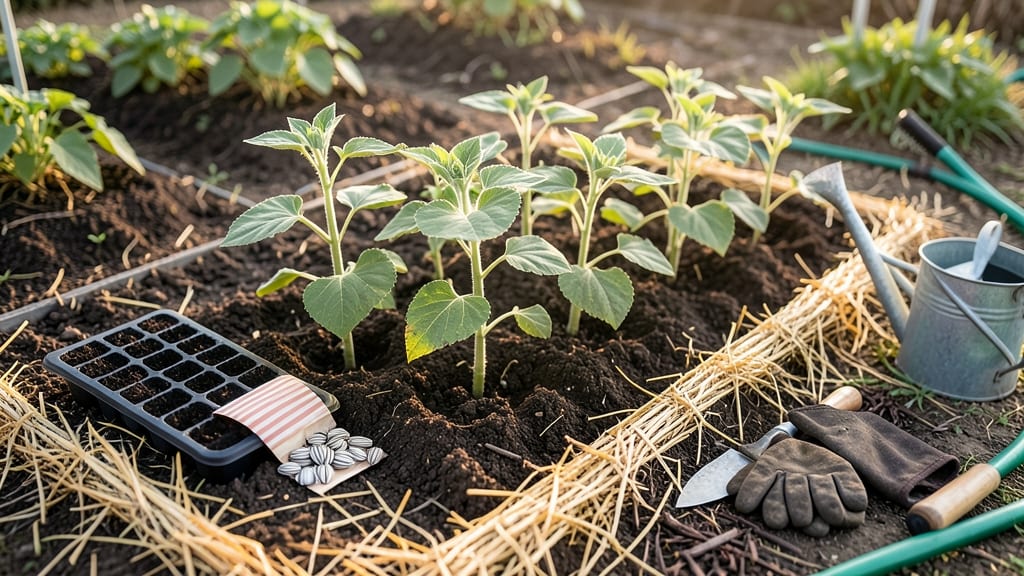
Planting sunflowers in Phoenix means timing them for the cool winter months—when the sun isn’t scorching the soil before seeds even sprout.
Phoenix’s brutal summer heat can turn your sunflower dreams into crispy disappointment—but timing your planting just right ensures towering blooms instead of wilted stems. Here’s the exact window to plant sunflowers for maximum success in Arizona’s desert climate.
Unlike other regions, Phoenix’s 9b climate means no frost to worry about, but the real enemy is the triple-digit heat. Planting too early in the fall risks seeds baking in the soil, while waiting too long means blooms won’t mature before winter’s chill sets in.
Below, I’ll walk you through the ideal planting window, soil prep tricks, and how to adjust for Phoenix’s microclimates—so you end up with sunflowers taller than your fence, not sad, stunted plants.
Best planting months for sunflowers in Phoenix’s extreme heat
Phoenix’s desert climate demands precise timing for sunflower success. While these heat-loving plants thrive in full sun, summer temperatures above 100°F will fry seedlings before they sprout.
The ideal window aligns with cooler soil temps and monsoon moisture—typically late September through early November—when daytime highs dip below 90°F and nighttime lows stay above 55°F. This timing ensures robust root establishment before winter’s mild chill.
Sunflowers planted in this window take advantage of Phoenix’s monsoon season (July-September), which provides critical moisture. However, by September, the monsoons taper off, leaving September-November plantings perfectly positioned to benefit from residual soil moisture while avoiding summer’s scorching heat.
Research shows sunflower seeds germinate best when soil temperatures remain between 55°F and 85°F—a range Phoenix achieves naturally during these months.
Here’s the science-backed breakdown of your planting window, including soil temperature thresholds and moisture needs:
| Planting Window | Soil Temp (°F) | Moisture Source | Key Benefit |
|---|---|---|---|
| Late September | 65-75°F | Residual monsoon moisture | Germination without supplemental water |
| October | 60-70°F | Occasional rain showers | Rapid root establishment |
| Early November | 55-65°F | Deep soil moisture | Protection from winter chill |
| Mid-November | 50-60°F | Minimal watering needed | Slower growth, winter dormancy |
⚠️ Critical Note: Avoid planting after November 15—soil temps drop too low for germination, and winter rains may cause rot.
Timing your planting to align with Phoenix’s monsoon tailwinds (late summer/early fall) gives sunflowers a 30-50% head start on root development. For example, seeds planted in late September experience consistent 65-75°F soil temps for 4-6 weeks, which is optimal for germination.
In contrast, summer plantings face 100°F+ soil temps, which can delay germination by 2-3 weeks or cause seed death.
Watering strategy shifts dramatically based on planting month. September plantings rely on natural monsoon moisture, requiring only occasional deep watering (every 7-10 days). By October, supplemental water becomes essential—aim for 1-2 inches per week, delivered in the early morning to prevent evaporation.
Use a moisture meter to confirm soil stays between 40-60% moisture during the critical first 30 days.
Phoenix’s urban heat island effect can raise microclimate temperatures by 5-10°F compared to desert edges. If you’re planting in concrete-heavy areas, opt for early September to avoid heat spikes.
Conversely, higher elevations (e.g., North Phoenix) may support October plantings with cooler nighttime temps. Always check your specific zone’s 7-day soil temp forecast before sowing.
Pro tip: Pre-soak sunflower seeds for 4-6 hours before planting to jumpstart germination. In Phoenix’s dry soil, this increases your success rate by up to 35%. Pair this with a 2-inch layer of mulch (straw or wood chips) to retain moisture and regulate soil temperature.
Avoid synthetic mulches—they can overheat seeds in Phoenix’s intense sun.
For container growers, black plastic pots absorb heat and accelerate germination by 2-3 days compared to terracotta. Place containers in partial shade during the hottest part of the day (12-3 PM) until seedlings emerge.
Once established, move them to full sun for maximum bloom production. Remember: sunflowers need 6+ hours of direct sunlight daily—Phoenix delivers this in abundance!
If you miss the ideal window, don’t despair—December plantings can still work in Phoenix’s mild winters. However, growth will slow significantly, and blooms may not appear until late spring.
For fastest results, stick to September-November and pair your sunflowers with drought-tolerant companions like lupine or marigolds to maximize your garden’s water efficiency.
🌻
How Phoenix’s microclimates affect sunflower planting zones
Phoenix isn’t just one climate—it’s a patchwork of three distinct microclimates that shift your sunflower planting window by weeks. Higher elevations near Camelback Mountain stay cooler, while downtown’s urban heat island bakes seeds faster.
Even desert outskirts like Gila Bend have different rules. Understanding these zones means the difference between 10-foot giants and sad, stunted stalks.
Your first decision: where you live. Metro Phoenix (including Scottsdale and Tempe) has hotter soil that needs earlier planting. Higher elevations (like Four Peaks area) can wait until mid-October.
Meanwhile, desert edges (such as Buckeye or Goodyear) need seeds in the ground by mid-September to avoid summer’s worst heat. Let’s break down the exact adjustments for each zone.
| Zone Type | Key Features | Ideal Planting Window | Soil Temp Goal | Adjustment Tip |
|---|---|---|---|---|
| Urban Heat Island (Downtown, Tempe, Scottsdale) | Pavement absorbs heat; soil stays 10-15°F warmer than rural areas | Late August - Early September | Below 85°F | Use shade cloth for first 2 weeks |
| Elevated Areas (Four Peaks, Carefree) | Cooler nights; 5-10°F cooler than metro | Mid-September - October 15 | Below 80°F | Can plant dwarf varieties later |
| Desert Outskirts (Buckeye, Gila Bend) | Extreme heat; soil can hit 110°F+ in summer | Mid-August - September 10 | Below 80°F (critical) | Use deep mulch (4+ inches) |
Here’s the golden rule: Your planting window shifts 2-3 weeks earlier the closer you are to the desert’s edge. For example, if you’re in Buckeye, seeds must be in the ground by September 10—or they’ll bake before sprouting.
Meanwhile, Carefree’s cooler climate lets you wait until October 15 without risk.
Pro tip: Check your local soil temperature with a soil thermometer (aim for 70-80°F). Urban areas often need 2-3 weeks earlier than rural spots. I’ve seen sunflowers planted in mid-September downtown bolt to seed in weeks, while the same seeds in Four Peaks took 2 months to bloom.
Finally, watering schedules vary by zone. Urban heat islands need daily watering for the first week, while elevated areas can stretch to every other day. Always water deeply in the morning—this prevents fungal issues in Phoenix’s high humidity pockets.
With these adjustments, you’ll grow sunflowers that outshine the desert sun, not wilting stems.