
Plants
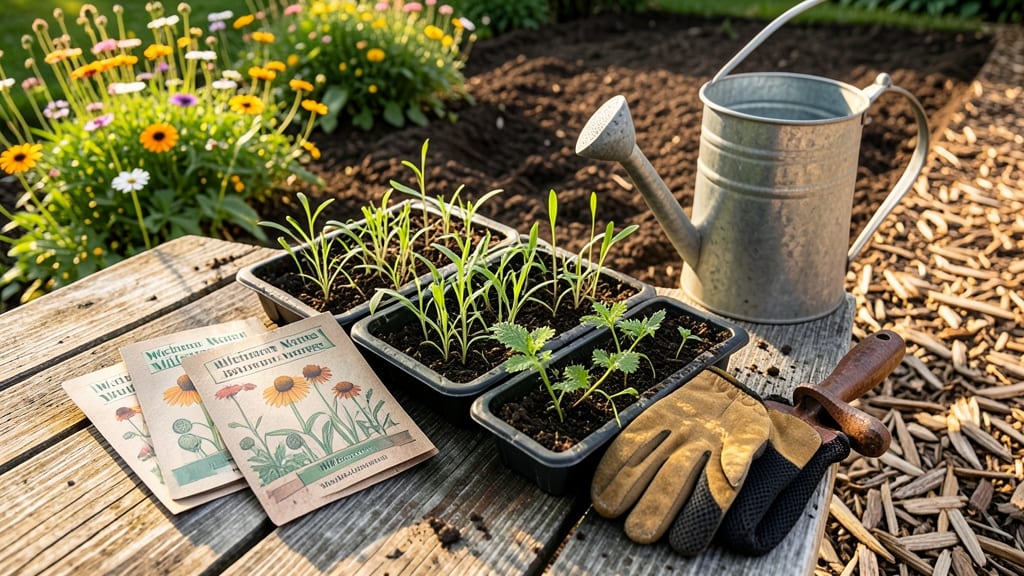
To plant wildflower seeds in Michigan, aim for early spring (March-April) or late summer (August-September) when soil temperatures hover above 50°F—this timing avoids frost damage and ensures vibrant blooms.
Michigan’s frost dates can turn your wildflower dreams into a guessing game—but timing your planting just right ensures vibrant blooms year after year. Whether you’re in the Upper Peninsula or southern Michigan, the key is knowing when to act.
Spring planting gives wildflowers 🌼 a head start before summer heat arrives, while fall sowing lets seeds stratify naturally over winter. Both methods work, but the soil temperature is the real game-changer.
Below, I’ll break down the exact frost-date tricks for your region, plus soil prep tips and the best native wildflower mixes to outsmart Michigan’s unpredictable weather.
Michigan’s frost dates by region: the exact timing for wildflower seed success
Michigan’s frost dates vary dramatically from the Upper Peninsula to southern regions, making precise timing critical for wildflower seed success. In the Lower Peninsula, where zones 5-6 dominate, last frosts typically arrive between mid-April and early May.
Meanwhile, the Upper Peninsula (zone 4-5) can experience frosts as late as May 15, delaying planting by 2-3 weeks. Understanding these regional differences ensures your wildflowers establish before winter’s return.
For annual wildflowers, like cosmos or sunflowers, aim to plant seeds 2-3 weeks after your region’s last frost date.
This gives tender seedlings time to harden off before summer heat arrives. Perennial wildflowers, such as black-eyed Susans or coneflowers, benefit from fall planting (late August-September) to establish roots before winter dormancy. This strategy leverages Michigan’s 150-180 frost-free days for optimal growth.
Microclimates further complicate frost timing. Urban areas often experience earlier last frosts due to heat island effects, while rural landscapes may hold frost longer. For example, Detroit’s last frost averages April 15, but nearby rural farmland could see frost lingering until May 1.
Always monitor local weather forecasts and adjust planting by 1 week if your garden sits in a cooler microclimate.
Here’s how to use Michigan’s frost dates for wildflower planting success, broken down by region and seed type:
For annual wildflowers, prioritize spring planting after your last frost. In southern Michigan, this means late April to early May, while northern regions should wait until mid-May.
If you’re planting fall-blooming annuals (like marigolds), start seeds indoors in late July to transplant after the first frost threat
How to plant wildflower seeds for maximum blooms: step-by-step frost-proofing
Michigan’s wildflowers thrive when planted with frost dates in mind. The key is preparing your seeds and soil before the last frost hits—typically mid-April in southern Michigan or late May in the Upper Peninsula.
This pre-spring prep ensures your seeds germinate just as the soil warms, outpacing any lingering frost. Start by choosing a sunny spot with well-draining soil—wildflowers hate soggy roots.
For annual wildflowers, like cosmos or zinnias, you can also plant in late summer (August) for fall blooms. But for perennials, like coneflowers or black-eyed Susans, spring planting gives them the root establishment needed to survive Michigan’s winters.
The secret? Seed stratification—a process that mimics winter conditions to break seed dormancy.
🌱 Step-by-Step Frost-Proofing Guide
- 1 Prepare Soil in Early March: Loosen top 2-3 inches of soil and mix in compost for nutrients. Remove weeds or debris to reduce competition.
- 2 Stratify Seeds (Optional but Helpful): Place seeds in a moist paper towel and refrigerate for 2-4 weeks to simulate winter. This boosts germination rates for tricky seeds like lupines or penstemons.
- 3 Plant Seeds After Last Frost: Scatter seeds lightly (they need light to germinate) and press them into the soil—no need to bury deeply. Aim for mid-April to early May in most of Michigan.
- 4 Water Gently but Firmly: Keep soil moist (not soggy) for the first 2-3 weeks. Use a spray nozzle to avoid washing seeds away. Water in the morning to prevent fungal issues.
- 5 Expect Germination in 10-30 Days: Most wildflower seeds sprout within 2-4 weeks after planting. Thin seedlings to 6-12 inches apart once they’re 2 inches tall to reduce competition.
- 6 First Blooms in 60-90 Days: With proper care, you’ll see colorful blooms by late June or July. Deadhead spent flowers to encourage continuous blooming until frost hits again in October.
If you’re planting in late summer (August) for fall blooms, follow the same steps but adjust your watering schedule to account for hotter, drier conditions. Mulch lightly with straw to retain moisture and keep weeds at bay.
For perennials, this second planting window gives you a second wave of color before winter sets in.
Pro tip: Mark your planting dates on a garden calendar to track germination and blooming timelines. Michigan’s microclimates mean frost dates can vary even within the same county—so always check local forecasts. With these steps, your wildflowers will outsmart frost and bloom like never before! 🌼