
Flowers
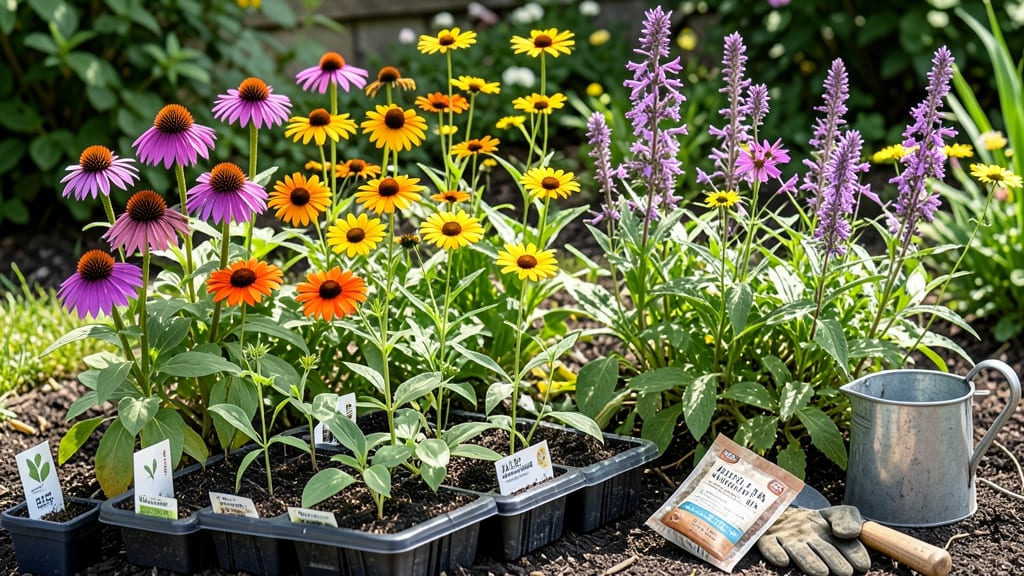
Planting wildflowers in Pennsylvania at the right time means the difference between a meadow bursting with color and a patch of dirt that never quite takes off.
Pennsylvania’s diverse climate—from the cool Appalachians to the humid Piedmont—means planting wildflowers at the wrong time can mean sparse blooms or total failure. But timing it right unlocks vibrant meadows that thrive year after year.
Most gardeners in USDA Zones 5a-7a get it right by planting in early fall (September–October) or late winter (March–April), when soil temperatures are ideal and frost risks are low. Yet even small mistakes—like planting too early in spring or too late in fall—can leave your seeds struggling.
Below, I break down the exact frost-date cheat sheet for your zone, the best wildflower varieties for PA, and how to adjust for microclimates like city heat islands or mountain valleys. No more guesswork—just bold blooms from the first season.
Pennsylvania wildflower planting calendar by USDA Zone and frost dates
Pennsylvania’s USDA Zones 4-7 create unique challenges for wildflower gardeners. The Poconos region (Zone 4-5) faces earlier frosts than Philadelphia (Zone 7a), while Pittsburgh (Zone 6) sits right in the middle. Timing your wildflower planting to match your local frost dates ensures robust growth and stunning blooms.
Let’s break down the best windows for each zone and how to adjust for your specific microclimate.
Most wildflowers thrive when planted either in early spring (just before the last frost) or early fall (6-8 weeks before the first frost). In Pennsylvania, this typically means March-April for spring planting and September-October for fall.
However, the exact timing varies by USDA Zone and even within regions like the Allegheny Mountains versus the Delaware Valley.
Here’s a quick reference for Pennsylvania’s average last and first frost dates by zone, which will help you pinpoint the best planting windows for your area:
| USDA Zone | Region Examples | Last Frost Date | First Frost Date | Spring Planting Window | Fall Planting Window |
|---|---|---|---|---|---|
| 4a-4b | Poconos, Northeast PA | May 5 | October 5 | April 15-May 1 | September 1-15 |
| 5a-5b | State College, Harrisburg | April 15 | October 15 | April 1-April 15 | September 15-October 1 |
| 6a-6b | Pittsburgh, Johnstown | April 1 | October 25 | March 20-April 10 | September 20-October 10 |
| 7a-7b | Philadelphia, Reading | March 20 | November 5 | March 1-April 1 | September 25-November 1 |
For Zone 4 gardeners in the Poconos, aim to plant wildflower seeds in late April to avoid early spring frosts. In contrast, Zone 7 areas like Philadelphia can start as early as March 1 for spring planting.
Fall planting is equally critical—seeds need time to germinate before winter sets in. In Zone 4, wrap up by September 15, while Zone 7 gardeners have until early November.
If you’re unsure about your local frost dates, use the National Weather Service or check your USDA Plant Hardiness Zone Map. For Pittsburgh (Zone 6), I’ve found that planting in late March gives seeds enough time to establish roots before the last frost.
Meanwhile, my Philadelphia neighbors often start in early March without issues. Always adjust for microclimates, like urban heat islands or shaded valleys.
Pro tip: Use a soil thermometer to check if the ground has warmed to at least 50°F (10°C) before planting in spring. For fall, wait until soil temps drop below 80°F (27°C) but stay above freezing.
This ensures seeds won’t bake or freeze prematurely. In my experience, black-eyed Susans and cone flowers thrive when planted in early fall because they establish strong roots before winter.
For gardeners in higher elevations (like the Allegheny Plateau), extend your planting window by 2-3 weeks later than the general zone guidelines. Conversely, lowland areas near rivers or urban centers may experience earlier springs and can plant 1-2 weeks sooner.
Always monitor your local weather forecasts for unexpected frost events, especially in April or October.
One common mistake I see is planting too early in spring when the soil is still cold and wet. Seeds can rot or fail to germinate. Similarly, planting too late in fall risks seeds sprouting before winter, only to be killed by frost.
To avoid this, I recommend marking your planting dates on a calendar and setting reminders for soil prep, seeding, and watering schedules. Consistency is key to a thriving wildflower meadow.
Finally, consider your wildflower mix. Some varieties, like milkweed and goldenrod, are cold-hardy and can handle earlier plantings, while sunflowers and coreopsis prefer warmer soil. Always read the seed packet instructions for specific recommendations, and don’t hesitate to experiment with succession planting for continuous blooms throughout the season.
With the right
Best wildflower types for Pennsylvania’s climate and when to sow them
Pennsylvania’s wildflower meadows come alive when you plant the right species at the right time. The black-eyed Susan and eastern coneflower are two of my top picks—they thrive in PA’s USDA Zones 5a-7a and attract pollinators all summer.
But timing matters: sow these in early fall (September–October) for roots to establish before winter, or in late winter (March–April) when soil warms.
For drought-tolerant options, wild bergamot and butterfly weed are winners. They handle PA’s hot summers and clay-heavy soils better than fussy annuals. Plant these in full sun and watch them spread effortlessly.
Even milkweed, critical for monarch butterflies, performs well in PA if you sow seeds in late spring (May) after the last frost.
Soil prep is key—loosen the top 6 inches and mix in compost to improve drainage. Wildflowers hate soggy roots, so avoid planting in low-lying areas where water pools. A light raking of the soil surface after sowing helps seeds make contact with the earth, ensuring better germination rates.
- 🌱 September–October (Fall): Best for perennials like coneflowers and milkweed. Seeds germinate slowly in cool soil, giving roots time to establish before winter.
- 🌿 March–April (Spring): Ideal for annuals like cosmos and zinnias. Wait until soil reaches 50°F to avoid frost damage.
- ☀️ May (Late Spring): Perfect for heat-loving wildflowers like black-eyed Susans. Soil should be warm and dry to prevent rot.
- ✂️ August (Backup): Only for fast-growing annuals like poppies. Use this as a last resort if spring planting was missed.
Sunlight needs vary, but most PA wildflowers crave 6+ hours of sun daily. Goldenrod and purple coneflower thrive in full sun, while wild columbine tolerates partial shade—great for woodland edges.
If your site gets less than 4 hours of sun, stick to shade-loving varieties like wild geranium or Virginia bluebells.
Watering is simple once established, but young seedlings need consistent moisture. Water lightly every 2–3 days until sprouts appear, then taper to weekly deep waterings. Mulch with straw or leaves to retain moisture and suppress weeds. Avoid overwatering—wildflowers despise soggy conditions, which can lead to root rot.
Start with a wildflower mix tailored to PA’s climate, or sow individual species for a curated look. My go-to blend includes 50% perennials (like milkweed), 30% annuals (cosmos), and 20% grasses (little bluestem) for texture.
Revisit your meadow in year 2—that’s when perennials really take off and fill in gaps left by annuals.