
Transplanting
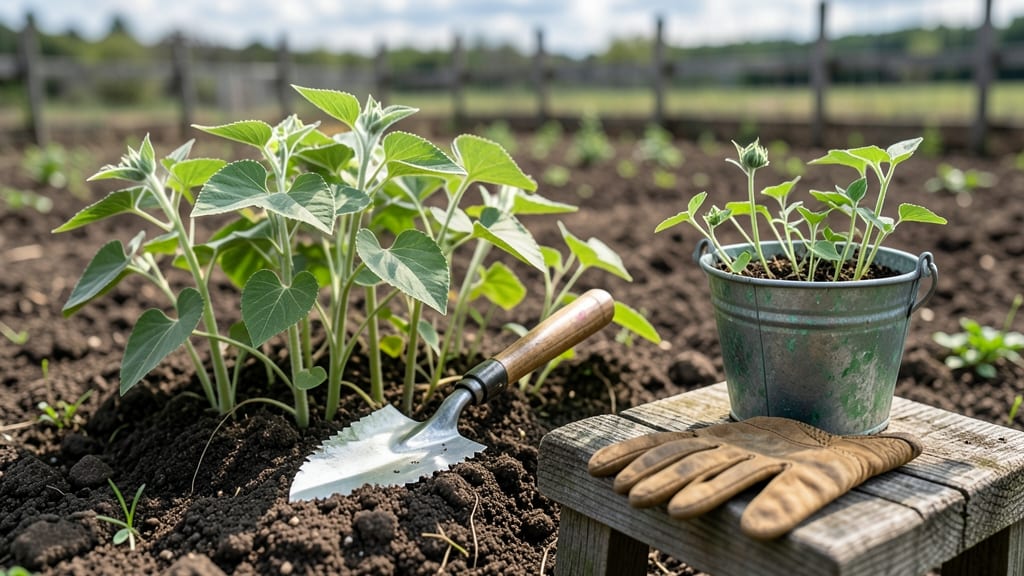
Thinning sunflower seedlings at the right time—when they have 2 to 4 true leaves—is the key to avoiding stunted growth and giving your 🌻 towering stalks the space they need to thrive.
Picture this: you’ve just planted your sunflower seeds in April, and now they’re sprouting like crazy—so close together that they’re competing for sunlight and nutrients. That’s when you know it’s time to act, or risk weak, spindly plants that never reach their full height.
Timing matters more than you might think. Thin too early, and you’ll damage delicate roots; wait too long, and the seedlings become overcrowded, leading to disease or poor yield. The secret lies in spacing them 3 inches apart once they’ve developed a few strong leaves.
In this guide, I’ll walk you through the exact when and how to thin your sunflowers—plus the tools and techniques to do it right, so you end up with bold, healthy stalks instead of a patch of struggling sprouts.
The perfect time to thin sunflower seedlings for optimal growth
Thinning sunflower seedlings might seem like a small task, but timing it correctly determines whether your plants grow into towering giants or weak, leggy stalks. The ideal window is when seedlings reach the 2-4 true leaf stage, typically 10-14 days after germination.
This stage ensures roots are established enough to handle the stress of thinning while still being flexible enough to recover quickly.
Waiting too long to thin can lead to nutrient competition and increased disease risk from poor air circulation. On the other hand, thinning too early—when seedlings are still tiny—can damage delicate roots and stunt growth. The key is acting before seedlings develop competing root systems that make recovery difficult.
Weather conditions also play a critical role. Thin on a cool, cloudy day to reduce stress from sun exposure. Avoid thinning after heavy rain, as wet soil can damage roots or pull seedlings out too easily.
Early morning is the best time, as it allows seedlings to recover before the heat of the day.
Look for these visual cues to confirm the right time: seedlings should be 3-4 inches tall with 2-4 true leaves (not counting the initial seed leaves). The first true leaves are usually oval-shaped and darker green, appearing after the initial round seed leaves fall off.
| Stage | Leaf Count | Height | Ideal Time to Thin | Weather Conditions |
|---|---|---|---|---|
| Early Seedling | 1-2 true leaves | 1-2 inches | Not ideal | Too delicate |
| Optimal Stage | 2-4 true leaves | 3-4 inches | Perfect timing | Cool, cloudy day |
| Late Stage | 5+ true leaves | 5+ inches | Risky | Competition increases |
A common mistake is thinning based solely on seedling height without checking leaf development. Some varieties may grow faster or slower, so always prioritize leaf stage over height. For example, dwarf varieties like 'Teddy Bear' may reach 3 inches with fewer leaves than giant varieties like 'Mammoth'.
If you miss the ideal thinning window, don’t panic. You can still thin seedlings up to 6-8 inches tall, but expect slightly slower recovery. Focus on keeping the soil moist and providing shade for a few days to help the remaining plants adjust.
Over time, they’ll compensate for the lost competition.
Another critical factor is spacing. While thinning, aim for 3-inch spacing between seedlings to prevent future crowding. This might seem excessive, but sunflowers need room to develop strong stems. Taller varieties will eventually reach 12-24 inches apart, but early spacing gives roots the space to establish.
Avoid thinning by cutting seedlings at the soil line—this can leave stubs that rot or attract pests. Instead, use your fingers or a small trowel to gently grasp the seedling at the base and pull it straight up.
This method preserves the root system of the remaining plants and reduces stress on your garden.
After thinning, water the area lightly to help the soil settle and reduce shock. Mulch around the remaining seedlings with straw or grass clippings to retain moisture and suppress weeds. This step is especially important in hot climates, where seedlings can dry out quickly after thinning.
Remember, the goal of thinning isn’t just to reduce competition—it’s to create stronger, healthier sunflowers that reach their full potential. By acting at the right time and with the right technique, you’ll set your plants up for vibrant blooms and robust stalks all season long. 🌻
Step-by-step thinning process: how to space sunflower seedlings 3 inches apart
Now that you’ve identified the perfect time to thin—when seedlings have 2 to 4 true leaves—it’s time to act with care. The goal is to space them 3 inches apart while minimizing stress.
I’ll show you how to do this gently, whether you’re using your hands or pruning shears, and what to do with the removed seedlings to avoid waste.
Thinning might seem daunting, but it’s one of the most rewarding tasks in sunflower care. By giving each plant enough room, you’ll encourage stronger stalks and larger blooms.
The key is to work on a cool, cloudy day to reduce transplant shock. Here’s exactly how to do it step by step.
If you’re worried about damaging roots, opt for hand-pulling instead of shears. The goal is to remove seedlings cleanly while leaving the roots of remaining plants intact. Once thinning is complete, give the soil a light mulch to retain moisture and reduce weeds.
After thinning, monitor your sunflowers closely for the first 3-5 days. They may look stressed at first, but with proper watering and sunlight, they’ll bounce back stronger than ever. Avoid fertilizing immediately—let them recover for a week before adding nutrients.
Pro tip: Mark the location of your sunflowers with stakes or flags to avoid accidentally disturbing them during future weeding. This small step ensures your sunflowers get the space and care they need to grow into those stunning, towering beauties you’ve always dreamed of. 🌻