
How To
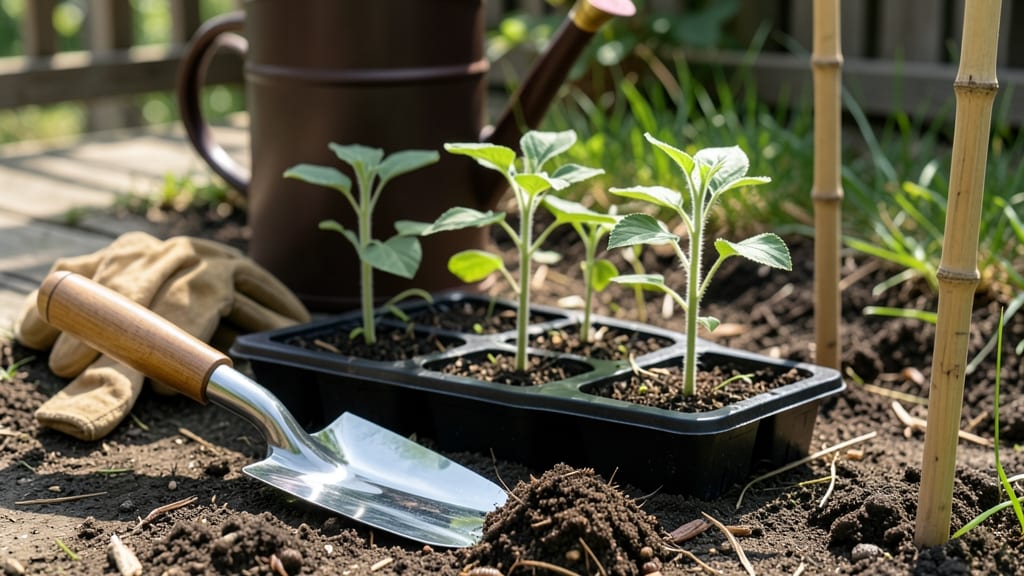
Transfer sunflower seedlings outdoors when they’re 3–5 weeks old and soil temperatures stay above 50°F—that’s the sweet spot for strong roots and fast growth.
Sunflowers may seem low-maintenance, but timing their transplant just right can mean the difference between a towering, vibrant bloom and a weak, stunted plant. Get this critical step wrong, and your seedlings could struggle—or worse, fail to thrive—once moved outdoors.
Most gardeners in USDA Zone 6a wait until mid-April to early May, after the last frost, but warmer climates can start earlier. The key is balancing seedling maturity with stable weather to avoid shock.
Below, I’ll walk you through the exact signs your 🌻 sunflowers are ready, how to harden them off over 7 days, and what to watch for in your region to ensure a smooth transition.
The ideal age and weather conditions for transplanting sunflower seedlings
Timing the transplant of your sunflower seedlings is one of the most critical steps in growing these towering beauties. Too early, and they’ll struggle with cold soil and shock; too late, and they’ll become root-bound or leggy.
The sweet spot balances seedling maturity with favorable outdoor conditions, ensuring robust growth from day one.
For most sunflower varieties, the ideal transplant window arrives when seedlings are 3 to 5 weeks old and have developed 2-4 true leaves. This stage ensures they’ve built a strong root system while remaining agile enough to adapt to their new home.
Pair this with the right weather conditions, and your sunflowers will reward you with vibrant blooms and towering stems.
| Factor | Ideal Specification | Why It Matters |
|---|---|---|
| Seedling Age | 3–5 weeks old | Balances root strength with flexibility to adapt. |
| True Leaves | 2–4 leaves | Indicates energy reserves for transplant shock. |
| Soil Temperature | 50°F+ (10°C+) | Prevents root rot and ensures microbial activity. |
| Day Length | 14+ hours of daylight | Supports photosynthesis for rapid recovery. |
| Frost Risk | None (last frost passed) | Sunflowers are frost-sensitive; avoid chilly nights. |
Soil temperature is a non-negotiable factor when transplanting sunflower seedlings. These plants thrive in warm soil, ideally at 50°F (10°C) or higher. Cold soil can stunt root growth and leave seedlings vulnerable to disease.
Use a soil thermometer to check—if temperatures dip below this threshold, wait a few more days or weeks. In cooler climates, consider using black plastic mulch to warm the soil faster.
Day length also plays a surprising role in transplant timing. Sunflowers are long-day plants, meaning they respond best when days stretch to 14+ hours of sunlight. This typically aligns with late spring or early summer in most regions.
If you’re transplanting in early spring, your seedlings may grow more slowly until day length increases naturally. In northern climates, this could delay your transplant window until May or June.
Regional differences matter too. In USDA Zones 7-10, where winters are mild, you can often transplant sunflower seedlings as early as mid-April. But in Zones 3-6, with later last frosts, wait until late May or early June.
Always check your local frost dates and adjust accordingly. A general rule: transplant after the last frost date has passed and nighttime temperatures stay above 50°F (10°C).
Before transplanting, prepare your seedlings with a hardening-off process—gradually exposing them to outdoor conditions over 7-10 days. Start with 2-3 hours of shade on day one, then increase exposure daily.
This mimics natural conditions and reduces transplant shock. On the day of transplant, choose a cloudy morning to minimize stress from direct sun and wind.
Your transplant site should receive full sun (6-8+ hours daily) and have well-draining soil. Amend heavy clay with compost to improve aeration, and avoid low-lying areas where cold air pools.
Space seedlings 12-24 inches apart, depending on the variety—dwarf types need less room, while giant varieties require more. Water deeply after transplanting to settle the soil and encourage root contact.
Watch for signs of transplant shock in the first week, such as wilting leaves or stunted growth. This is normal, but consistent wilting after watering may signal root damage.
If this happens, trim any mushy roots and replant with fresh soil. Most sunflowers recover quickly once established, especially with consistent moisture and full sun exposure.
With the right timing, your sunflower seedlings will transition seamlessly from indoor starts to outdoor powerhouses. Follow these guidelines, and you’ll be rewarded with sunflowers reaching their full potential—towering over your garden and brightening your days with their cheerful blooms. 🌻
Step-by-step hardening off process for sunflower seedlings
Hardening off sunflower seedlings is like giving them a mini vacation to prepare for the harsh outdoor world. This gradual process helps them adjust to sunlight, wind, and temperature shifts without going into shock.
If you skip this step, your seedlings may wilt, struggle to establish roots, or even die within days.
My 7-day schedule balances sun exposure, wind training, and moisture control to build resilience. Start this process 1 week before your planned transplant date—ideally when soil temps hit 50°F+ and nights stay above 40°F. For USDA Zone 6a, that’s usually mid-April.
-
Day 1-2: Partial Sun & Shelter
Move seedlings to a shaded outdoor spot (like under a tree or patio cover) for 2-3 hours daily. Use a cloche or row cover to protect from wind. Water lightly in the morning to avoid evening moisture stress. -
Day 3-4: Gradual Sun Increase
Extend outdoor time to 4-5 hours in morning sun only. Remove shelter for 1 hour/day to introduce gentle wind exposure. Reduce watering to every other day to toughen roots. -
Day 5-6: Full Sun & Wind Training
Place seedlings in direct sunlight for 6+ hours but still in a protected area (e.g., near a fence). Use a fan on low or place near an open window to simulate wind. Water only at the base to avoid fungal risks. -
Day 7: Full Outdoor Conditions
Transplant seedlings into their final location in the late afternoon to reduce midday stress. Water deeply immediately after planting. Monitor for wilting—if severe, provide light shade for 24 hours.
During hardening off, watch for yellowing leaves or drooping stems—these are red flags. If you see them, move seedlings back to partial shade and delay transplanting by 2-3 days. Overwatering is another common mistake; sunflowers prefer drier soil once established, so let the top inch dry between waterings.
Pro tip: Use compost-rich soil in your garden beds to help seedlings recover faster. Mix in aged compost or worm castings at transplant time to boost nutrient uptake. This extra care pays off with thicker stems and bigger blooms later in the season.
After transplanting, avoid fertilizing for 2 weeks—let roots focus on establishing before adding nutrients. Mulch around the base with straw or grass clippings to retain moisture and suppress weeds. With this method, your sunflowers will bolt upright in no time!