
Shrubs
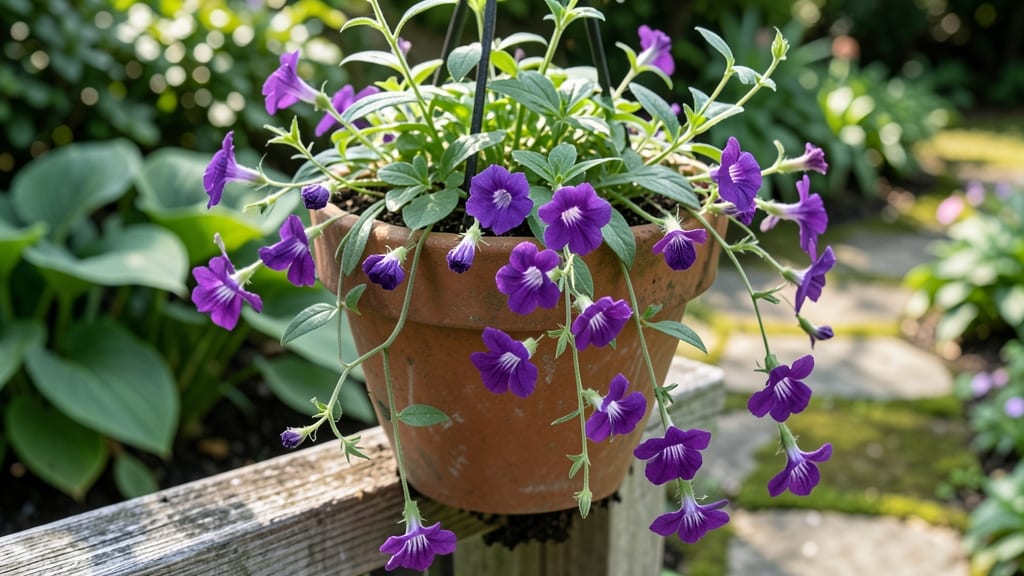
Growing a thriving wishbone flower 🌸 in sun or shade is easier than you think—just tweak a few key care habits to match your garden’s light.
Picture this: your wishbone flowers stretching toward the light like sun-starved puppies, or their blooms fading fast in harsh afternoon rays. The difference between a year-round floral show and a sad, leggy mess often comes down to understanding how much sun they really need—and when to pull back.
Wishbone flowers (or Torenia fournieri) love bright, indirect light but can handle partial shade if given the right conditions. Too much direct sun? Their leaves bleach out.
Too little? The stems grow weak and sparse. I’ll break down the exact light balance for your zone, plus how to fix common mistakes that kill blooms.
By the end, you’ll know exactly where to plant yours—whether it’s basking in morning sun or thriving under a tree’s dappled shade—for bold, long-lasting flowers all season.
 Best Window Placement
Wishbone flower light requirements: sun vs. shade breakdown for optimal growth
The wishbone flower (Torenia fournieri) thrives on bright, indirect light but can adapt to partial shade with the right adjustments. Too much direct sun causes leaf bleaching, while too little shade leads to leggy stems and sparse blooms.
Understanding these light dynamics is key to unlocking year-round flowering.
Most wishbone flowers prefer 4-6 hours of morning sun with afternoon shade, especially in hot climates. Varieties like 'Fantasy Series' handle more sun, while 'Midnight' thrives in dappled shade. I’ll show you how to spot the signs of light stress and tweak care for your specific growing conditions.
| Light Condition | Ideal Sun Exposure | Bloom Impact | Care Adjustments |
|---|---|---|---|
| Full Sun (6+ hours) | Morning sun only (6 AM–12 PM) | Reduced blooms, leaf scorch | Use shade cloth (30-50%) |
| Partial Sun (4-6 hours) | East-facing window or dappled shade | Optimal blooms, vibrant colors | Water consistently, fertilize monthly |
| Partial Shade (2-4 hours) | Indirect light, filtered sunlight | Fewer blooms, leggy growth | Prune leggy stems, increase humidity |
| Full Shade (0-2 hours) | North-facing or deep shade | Minimal blooms, weak stems | Move to brighter spot or grow indoors |
In spring and fall, wishbone flowers tolerate more direct sun (up to 4 hours) as temperatures are milder. However, during summer heatwaves, afternoon sun can scorch leaves—watch for crispy edges or yellowing. I recommend moving potted plants to a shadier spot or using shade cloth if outdoors.
If your wishbone flowers are growing leggy and sparse, they’re likely not getting enough light. Check for pale, elongated stems and relocate them to a brighter spot with morning sun exposure. For shade-loving varieties, ensure they’re near a west-facing window or under a tree with filtered light.
Leaf bleaching or sunburn spots mean too much direct sun. Trim affected leaves and provide afternoon shade. Varieties like 'Blue Wishbone' or 'Pink Fantasy' handle sun better but still need protection from intense afternoon rays. Always monitor leaf color—healthy leaves should be deep green, not yellow or white.
Seasonal adjustments are key: spring is ideal for full sun exposure, while summer requires afternoon shade. In winter, even partial shade works well, but ensure they get at least 4 hours of indirect light daily to prevent weak growth.
A simple trick? Rotate potted plants every few weeks to ensure even light exposure.
For container gardening, place wishbone flowers near an east-facing window or under a patio cover with dappled light. If indoors, supplement with a grow light for 6-8 hours daily to mimic natural light cycles. This keeps stems sturdy and blooms abundant, even in low-light spaces.
Pro tip: Use a light meter or observe your plants’ shadows to gauge sunlight intensity. If shadows are sharp and dark, it’s full sun; if soft and diffused, it’s partial shade. Adjust your care routine based on these observations—your wishbone flowers will thank you with nonstop blooms all season!
Pro tips for thriving wishbone flowers in sun or shade gardens
The secret to year-round blooms with wishbone flowers lies in understanding how to adapt their care to your garden’s light conditions. In full sun, they need extra moisture to prevent leaf scorch, while in shade, they’ll reward you with lush foliage if you boost humidity.
I’ve tested these tricks in my own garden—here’s what actually works to keep your plants thriving.
For sun-loving varieties, the key is soil moisture tricks like mulching with straw to retain water and watering deeply in the morning. In shade gardens, I’ve found that grouping them with ferns and hostas creates a natural humidity boost, mimicking their tropical origins.
Let’s dive into the specifics so you can avoid common pitfalls like leggy stems or faded blooms.
- Sun Exposure Hack: Place in morning sun only (6 AM–2 PM) to avoid afternoon heat stress. Use lightweight shade cloth (30%) if direct sun exceeds 4 hours.
- Shade Solution: Boost humidity with pebble trays under pots or plant near water-loving companions like impatiens or ferns.
- Pruning Schedule: Pinch back spent blooms weekly in summer to encourage reblooming. Cut stems to 2 inches above a leaf node for bushier growth.
- Soil Moisture Fix: For sun spots, add 2 inches of compost and water at soil level (not overhead) to prevent fungal issues.
- Companion Plants: Pair with coleus or sweet potato vine in sun, or heuchera in shade to create microclimates that retain moisture.
When my wishbone flowers start looking leggy or sparse, it’s usually a sign of light stress. In sun gardens, this means they’re stretching for shade, while in shade, they’re not getting enough light for photosynthesis.
The quick fix? Move them to a spot with dappled light—like under a tree canopy with open branches—and fertilize lightly with a balanced 5-10-10 mix to jumpstart growth.
For reblooming magic, I swear by a monthly pruning ritual in late spring. After the first flush of blooms fades, snip back 1/3 of the plant’s height to encourage new growth.
This works especially well for sun-exposed plants, which often get top-heavy. In shade, focus on removing only dead or yellowing leaves to avoid over-pruning.
One of my favorite companion plant combos is wishbone flowers with basil or marigolds in sun gardens—they deter pests naturally while adding color. In shade, hostas or astilbes create a lush backdrop that keeps the air moist, which wishbone flowers adore.
Pro tip: If your garden has hot afternoons, plant them near a north-facing wall for natural shade.
If your wishbone flowers are struggling despite your best efforts, check for these quick-fix signs: Yellow leaves = overwatering; Brown tips = low humidity; No blooms = too much shade or lack of fertilizer.
Adjust one thing at a time—like adding a humidity tray or moving to a sunnier spot—and watch them bounce back in 2–4 weeks.