
Flowers
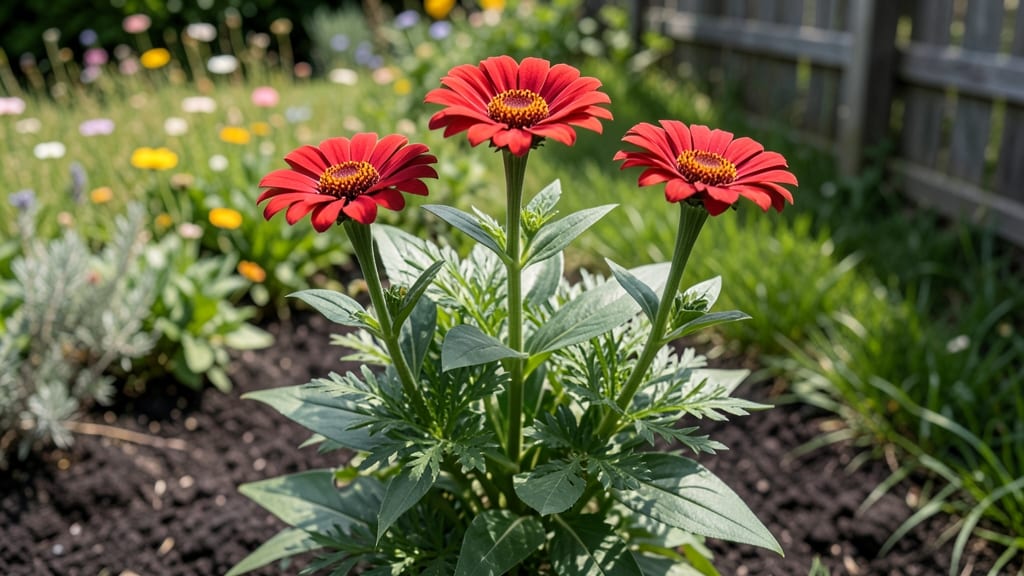
Zinnia flowers thrive in sun or shade, soaking up at least 6 hours of bright light daily to produce their bold, long-lasting blooms 🌼.
Struggling to get your zinnias to bloom as vibrantly as you hoped? Light exposure is the secret weapon—get it wrong, and you’ll end up with leggy stems and sparse blooms instead of the stunning, sun-loving flowers they’re famous for.
While zinnias prefer full sun, some varieties handle partial shade better than others, especially in hot climates where afternoon shade can prevent wilting. The key is knowing how to adapt their growing conditions without sacrificing those show-stopping blooms.
In this guide, I’ll break down the ideal sunlight conditions, how to spot signs of too little light, and the best zinnia types for sunny spots or shadier corners of your garden.
 Best Window Placement
Ideal sunlight conditions for zinnia flowers to thrive
If you’ve ever planted zinnias only to watch them stretch toward the light with sparse blooms, you’re not alone. These vibrant flowers thrive in full sun, but many gardeners accidentally place them in suboptimal lighting.
The key to lush, continuous blooms lies in understanding how much sunlight zinnias truly need—and how to spot the perfect garden spot. Let’s break down the science behind their light requirements so you can transform those leggy stems into a show-stopping floral display.
Zinnias are classified as full-sun lovers, requiring at least 6 to 8 hours of direct sunlight daily for optimal performance. This means placing them where they’ll receive unfiltered rays from early morning until mid-afternoon or later.
Without enough light, zinnias will grow tall and spindly, producing fewer blooms with pale petals—a far cry from their usual bold, vibrant colors. The good news? With the right placement, even container gardens can support thriving zinnias.
Why sunlight matters: Zinnias convert sunlight into energy through photosynthesis, fueling their growth and flower production. Insufficient light weakens stems, reduces bloom size, and makes plants more susceptible to pests and diseases. The ideal scenario is a south-facing garden bed or a container positioned where it gets maximum exposure. If your garden lacks full sun, don’t despair—we’ll cover shade adaptations later, but first, let’s focus on the gold standard for zinnia growth.
| Sunlight Requirement | Specification | Result |
|---|---|---|
| Full Sun | 6–8+ hours direct sunlight | Vibrant blooms, strong stems, continuous flowering |
| Partial Sun | 3–6 hours direct sunlight | Smaller blooms, leggy growth, fewer flowers |
| Partial Shade | Less than 3 hours direct sunlight | Poor growth, sparse blooms, weak stems |
| Morning Sun | 6+ hours morning light, afternoon shade | Moderate blooms, heat stress in hot climates |
| Afternoon Sun | 6+ hours afternoon light, morning shade | Better in cooler climates; risk of wilting in heat |
To identify the best spot for your zinnias, start by observing your garden throughout the day. Look for areas that receive uninterrupted sunlight from late morning until early evening.
If you’re unsure, use a sunlight tracker—simply place a white board or piece of cardboard in potential spots and check it every few hours. Mark the areas that get the most direct light; these are your prime locations for zinnias.
Avoid spots under trees or near tall structures that cast deep shade even during peak sunlight hours.
Container gardeners can get creative with placement. Place pots on south-facing patios, rooftop gardens, or even on reflective surfaces like light-colored walls or gravel to maximize light exposure.
If your balcony only gets partial sun, opt for dwarf zinnia varieties, which tolerate slightly lower light better than their taller counterparts. Remember, zinnias in containers dry out faster, so ensure they’re in a spot with both sunlight and good airflow.
One common misconception is that zinnias can thrive in partial shade, especially in hot climates. While they can survive with less light, their blooming potential plummets.
In partial shade, zinnias may produce only 30–50% of the flowers they would in full sun, and the blooms will be smaller and less vibrant. If you must grow zinnias in shade, choose shade-tolerant varieties like ‘Thumbelina’ or ‘Crystal’ and supplement with a grow light if possible.
For the best results, pair your zinnias with sun-loving companions like marigolds, cosmos, or salvias. These plants share similar light needs and can create a stunning pollinator-friendly display.
Mulch around the base of your zinnias with straw or wood chips to retain moisture and keep roots cool, especially in hot afternoons. This simple step can make a world of difference in maintaining healthy, blooming plants.
If you notice your zinnias stretching toward the light or developing long, weak stems, it’s a clear sign they need more sunlight. At this point, you can either transplant them to a sunnier spot or use a reflective mulch like white gravel to bounce extra light onto the plants.
Avoid over-fertilizing in low-light conditions, as this can exacerbate leggy growth. Instead, focus on pruning spent blooms to encourage new growth toward the light.
With the right sunlight, your zinnias will reward you with months of vibrant blooms, attracting butterflies and adding a pop of color to your garden. Whether you’re a seasoned gardener or a beginner, mastering the art of zinnia sunlight will transform your floral displays from ho-hum to show-stopping.
Start by assessing your garden’s light conditions, then place your zinnias where they’ll get the most direct, unfiltered rays—your future bouquets will thank you!
How shade affects zinnia growth: what to expect and how to adapt
If your zinnias are struggling in partial shade, you’re not alone—many gardeners assume these sun-loving flowers won’t thrive without 6+ hours of direct light. While zinnias prefer full sun, they can adapt to 3-5 hours of morning sun with creative adjustments.
The key is understanding how shade impacts their growth and blooming patterns.
Too little light causes stretched stems and fewer blooms, but some zinnia varieties handle shade better than others. For example, 'Benary’s Giant' zinnias may produce smaller blooms in shade, while 'Thumbelina' varieties tolerate lower light more gracefully. Let’s explore how to maximize their potential in shadier spots.
Growing Zinnias in Shade: Pros & Cons
✅ Pros
- Prevents wilting in hot climates
- Reduces pest pressure (fewer aphids)
- Slower growth = longer vase life
- Better for containers with limited sun
❌ Cons
- Leggy stems (over-extension)
- Fewer blooms (reduced flowering)
- Pale petals (less vibrant colors)
- Weaker stems (higher flopping risk)
Watch for these signs of insufficient light: zinnias with long, thin stems and small leaves are begging for more sun. If you notice buds failing to open or leaves turning yellow, it’s time to intervene.
One trick is to rotate containers throughout the day to give all sides equal exposure.
For shade-tolerant zinnias, try 'Profusion Mixed' or 'Crystal Mixed'—these compact varieties handle 3-4 hours of filtered light better than their taller cousins. Pair them with tall sun-loving companions like sunflowers to create a microclimate with better airflow and light reflection.
If your garden has morning sun only, focus on early blooming varieties like 'Zahara Double Click'. These zinnias prioritize blooming when light is most abundant. For afternoon shade, prioritize dwarf zinnias (under 12 inches) to avoid flopping. Mulch heavily to retain soil moisture and reduce stress.
Remember: zinnias are drought-tolerant once established, but shade slows their growth. If you’re committed to partial shade, feed them lightly with a balanced fertilizer (5-10-10) every 4-6 weeks to compensate for reduced photosynthesis.
With these adjustments, you’ll still enjoy months of cheerful blooms—just maybe not as bold as full-sun zinnias 🌼.