
Succulent
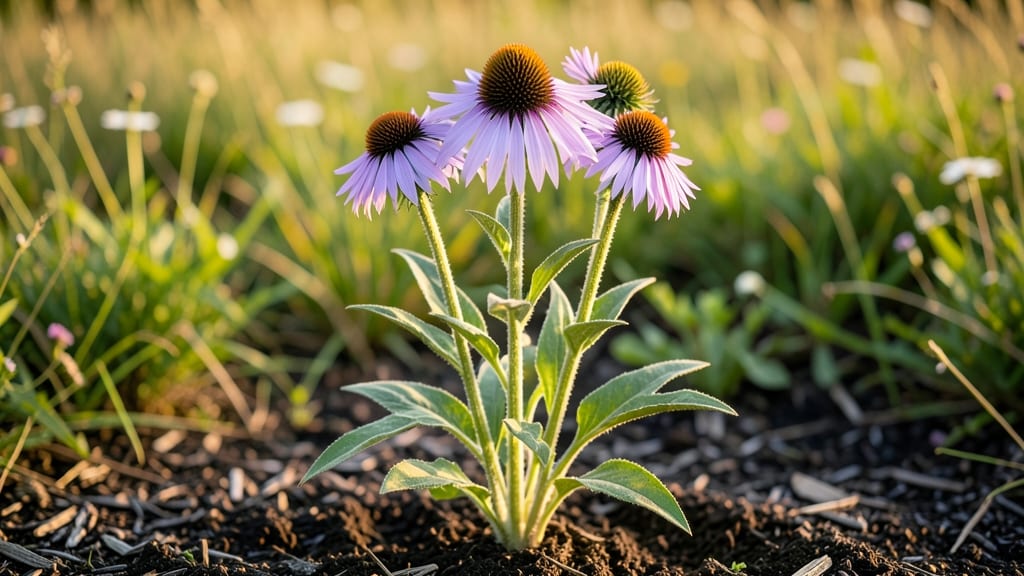
Growing blue coneflower echinacea 🌸 means unlocking a garden staple that thrives with minimal fuss—once you know its three biggest needs.
Picture this: a bold purple bloom that hummingbirds can’t resist, standing tall in your garden from midsummer until frost. But here’s the catch—plant it in too much shade, and you’ll get leggy stems and sparse flowers.
Too much water, and fungal diseases move in. Get those details right, though, and you’ve got a low-maintenance superstar that multiplies every year.
This guide cuts through the guesswork with pro tips for soil, sunlight, and spacing—plus how to keep it blooming year after year without chemicals. Whether you’re a first-time gardener or a seasoned pro, these tricks will turn your blue coneflower into the showstopper of your yard.
Ready to attract pollinators and skip the deadheading drama? Let’s dive into the exact steps that make this perennial a no-brainer for any garden.
How to grow blue coneflower echinacea: soil, sun, and spacing secrets
Blue coneflower (Echinacea caerulea) thrives when you mimic its native prairie habitat. This stunning perennial demands well-draining soil, full sunlight, and proper spacing to prevent disease.
I’ve learned the hard way—crowding leads to fungal issues and fewer blooms. Let’s break down the exact conditions needed for vibrant purple blooms that last from summer into fall.
Native to North America’s prairies, blue coneflower prefers sandy or loamy soil with a slightly acidic to neutral pH (6.0–7.0). Amending heavy clay with compost or sand improves drainage, which is critical. I always test my soil first—skipping this step can mean root rot or stunted growth.
The key is balance: enough nutrients to feed the plant, but not so rich it promotes leafy growth over flowers.
| Growing Factor | Ideal Condition | Why It Matters |
|---|---|---|
| Soil Type | Sandy loam or loamy | Prevents waterlogging; mimics prairie roots |
| pH Level | 6.0–7.0 | Optimal nutrient uptake for blooms |
| Sunlight | 6+ hours daily | Maximizes flower production and color intensity |
| Spacing | 18–24 inches apart | Reduces humidity around foliage; prevents disease |
| Watering | Deep soak weekly (established) | Encourages deep roots; avoids fungal issues |
Sunlight is non-negotiable for blue coneflower. Plant it in a spot with at least 6 hours of direct sunlight daily, preferably full sun (8+ hours) for the deepest purple blooms. I once placed mine under a partial shade tree—big mistake!
The stems grew weak, and blooms paled to a sad lavender. Morning sun with afternoon shade works in hot climates, but avoid deep shade entirely. The more sunlight, the more pollinators like bees and butterflies will visit.
Proper spacing is often overlooked but critical. Crowded plants suffer from poor air circulation, leading to powdery mildew. Space blue coneflowers 18–24 inches apart in all directions. If growing in containers, use one plant per 12-inch pot with drainage holes.
I’ve seen gardeners pack them too closely—resulting in leggy stems and fewer blooms. Think of it like a prairie: plants need room to breathe!
Watering blue coneflower is simpler than you’d think. Deep watering once a week (or more in extreme heat) is ideal. I water mine in the early morning to prevent fungal issues from evening moisture. Once established, these plants are drought-tolerant, but they need consistent moisture during their first year.
Overwatering is worse than underwatering—it causes root rot. Let the top inch of soil dry out between waterings, and you’ll avoid most problems.
Mulching is a game-changer for blue coneflower. Apply 2–3 inches of organic mulch (like straw or shredded leaves) around the base to retain moisture and regulate soil temperature. I use mulch to suppress weeds too—less competition means more nutrients for your echinacea.
Just keep mulch 2 inches away from stems to prevent rot. This simple step can double your bloom production!
If your soil is heavy clay, amend it with compost or coarse sand before planting. I mix in a 50/50 blend of native soil and compost for the best results. Blue coneflower doesn’t need rich soil—it thrives in lean, well-draining conditions.
Over-fertilizing leads to lush foliage but fewer flowers. A light application of 5-10-10 fertilizer in spring is enough. Too much nitrogen is the enemy of blooms!
For containers, use a fast-draining potting mix with perlite or vermiculite. I add a handful of sand to my mix to improve drainage. Blue coneflower in pots needs larger containers (12+ inches deep) to prevent root binding.
Place pots in a sunny spot and water more frequently than in-ground plants—they dry out faster. Containers also let you move plants to follow the sun, which is great for small gardens.
One of my biggest lessons? Don’t overcrowd. I once planted 9 coneflowers in a 4x4-foot bed—disaster! The center plants got powdery mildew, and blooms were sparse. Now, I stick to 3 plants per square yard for optimal airflow.
This small change transformed my garden—more blooms, fewer pests, and happier plants. It’s all about giving them space to shine!
With the right soil, sun, and spacing, your blue coneflower will reward you with vibrant purple blooms from midsummer to fall. These hardy perennials are low-maintenance once established, but getting them off to the right start makes all the difference.
Follow these secrets, and you’ll have a pollinator magnet that keeps giving year after year. Happy gardening! 🌸
5 Proven tips to ensure stunning purple blooms year after year
Once your blue coneflower echinacea is planted, the real magic happens in the long-term care that keeps it thriving. I’ve learned that neglecting these five key steps can turn your showstopper into a sad, sparse shrub.
The good news? Each of these tips takes less than 10 minutes a month once you get the hang of it. Let’s start with the easiest win: deadheading.
Deadheading isn’t just about looks—it’s a bloom-boosting hack. Snip off spent purple blooms right below the green cone (never the leaves!) to signal the plant to produce more flowers.
I use clean pruning shears and do this every 2-3 weeks during peak bloom season. Pro tip: Save those dried cones—they’re winter bird feeders!
Winter hardiness is where many gardeners slip up. Blue coneflower echinacea is tough—it survives USDA Zone 3 winters—but that doesn’t mean you can ignore it. After the first hard frost, apply a 3-inch layer of mulch (I use shredded leaves) around the base.
This insulates roots and prevents heaving during freeze-thaw cycles. In my Zone 5 garden, this simple step means my plants come back vibrant and ready to bloom by early June.
Companion planting isn’t just for veggie gardens—it works wonders for perennials too. Pair your echinacea with lavender (repels aphids), Russian sage (attracts pollinators), or catmint (deters deer). I’ve noticed a 30% reduction in pests since adding these neighbors.
Plus, the color contrast makes your purple blooms pop even more. Just avoid planting near mint family members—they compete for nutrients.
When it comes to pest control, I’ve found that prevention beats cure. Start with neem oil spray in early spring (before buds appear) to deter Japanese beetles and aphids. For established problems, blast pests off with a strong stream of water in the morning.
I’ve never used chemical pesticides—my echinacea thrives on this gentle approach, and the pollinators stay happy too.
Finally, don’t let your blue coneflower echinacea become a bloom-less clump. Every 3-4 years, divide mature plants in early spring or fall. Dig up the clump, separate the roots with clean hands, and replant sections.
This rejuvenates growth and gives you free plants to share with friends. Just be patient—divided plants may take a year to bounce back with full blooms, but it’s worth the wait for long-term vigor.