
Light Requirements
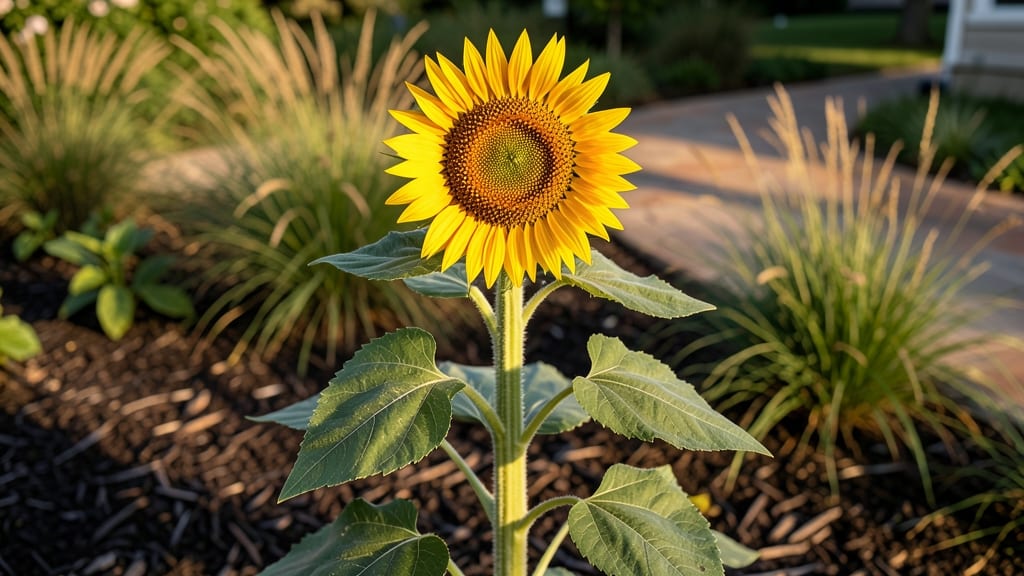
Sunflowers need 6 to 8 hours of direct sunlight daily to reach their full towering potential 🌻—skimp on the light, and you’ll end up with weak stems and tiny blooms.
You’ve probably seen those 12-foot giants in garden catalogs and wondered how they get so big. The secret isn’t just water or soil—it’s sunlight. Without enough, your sunflowers will stretch toward the light like a sleepy cat reaching for the sun, but never quite get there.
This guide breaks down exactly how much light sunflowers crave, what happens when they don’t get enough, and the pro tips to maximize their growth—even if your garden isn’t the sunniest spot in the neighborhood.
From positioning tricks to shade workarounds, you’ll learn how to give your sunflowers the light they love and watch them grow strong, tall, and full of those iconic golden faces.

Sunflower light requirements: the science behind their need for full sun
Sunflowers thrive in full sun, but their light needs go beyond just hours of sunlight. The intensity and duration of sunlight directly impact their stem strength, flower size, and seed production.
Without enough light, you’ll end up with weak, leggy plants that struggle to reach their full potential. Let’s break down exactly what sunflowers need—and why.
Most sunflower varieties demand 6 to 8+ hours of direct sunlight daily for peak performance. This isn’t just about survival; it’s about unlocking their genetic potential. For example, giant varieties like ‘Mammoth’ or ‘Russian Giant’ can grow 12 to 16 feet tall only when they receive ample sunlight.
Even dwarf varieties like ‘Teddy Bear’ benefit from full sun, though they’re slightly more adaptable to partial shade.
Sunlight isn’t just fuel—it’s the trigger for critical growth stages. During the vegetative phase, sunlight powers rapid stem elongation and leaf development. Once flowering begins, bright, direct light ensures vibrant blooms and robust seed heads.
Without it, plants become etiolated—stretched out and weak—because they’re desperate for light, even if it means sacrificing structural integrity.
The quality of sunlight matters just as much as the quantity. Sunflowers prefer full-spectrum sunlight, especially during the golden hours of morning and late afternoon. Early morning light is gentler, while midday sun provides the high-intensity energy needed for photosynthesis.
Evenings with lingering sunlight can extend the growing window, giving sunflowers an extra boost.
| Sunflower Type | Minimum Sunlight | Optimal Sunlight | Mature Height | Flower Size |
|---|---|---|---|---|
| Standard (e.g., 'Mammoth') | 6-8 hours | 8-10+ hours | 10-16 ft | 12-16 inches |
| Semi-Dwarf (e.g., 'ProCut') | 5-6 hours | 6-8 hours | 3-6 ft | 8-12 inches |
| Dwarf (e.g., 'Teddy Bear') | 4-5 hours | 6 hours | 1-3 ft | 4-6 inches |
| All Varieties | <6 hours | N/A (Stunted growth) | <50% potential | Small, sparse blooms |
Sunlight also plays a critical role in seed production. If you’re growing sunflowers for their edible seeds, insufficient light leads to smaller, fewer seeds with lower oil content.
The photosynthesis process in leaves generates the energy needed for seed development. Without enough light, the plant prioritizes survival over reproduction, resulting in underdeveloped seed heads.
Ever noticed how sunflowers track the sun throughout the day? This behavior, called heliotropism, maximizes their exposure to sunlight. Young sunflowers follow the sun from east to west, ensuring their leaves capture as much light as possible.
As they mature, the flower head turns to face east, soaking up morning rays to kickstart photosynthesis for the day.
If you’re growing sunflowers in containers or urban settings, positioning is everything. Place pots in the sunniest spot available, like a south-facing patio or balcony. Even a 1-2 hour difference in sunlight exposure can affect growth.
For example, a sunflower getting only 4 hours of sun might grow to half its potential height compared to one with 8 hours.
Don’t assume that bright but indirect light (like through sheer curtains) is enough. Sunflowers need direct rays to thrive. If your garden has partial shade from trees or buildings, choose shade-tolerant varieties like ‘Autumn Beauty’ or ‘Moulin Rouge,’ but still aim for at least 5-6 hours of sun
What happens when sunflowers don’t get enough light (and how to fix it)
When your sunflowers aren’t basking in 6-8 hours of direct sunlight, they start sending you distress signals. The first clue? Leggy, weak stems that stretch desperately toward any available light source. This happens because your plants are phototropism in action—nature’s way of saying, "I need more sun!" 🌱
Beyond the stretched stems, you’ll notice smaller, sparse blooms or even no flowers at all. Sunflowers need plenty of light to trigger their flowering process. Without it, they’ll focus all their energy on growing taller instead of producing those iconic golden faces.
Even if they do bloom, the flowers may be pale and underdeveloped, lacking the vibrant color and size you expect.
Here’s the kicker: Weak stalks that can’t support their own weight. Sunflowers grown in low light often develop hollow stems that snap easily in wind or rain. Imagine planting a 12-foot giant only to watch it topple over like a house of cards—heartbreaking, right?
⚠️ How Much Light Does a Sunflower Need?
Minimum: 6 hours of direct sunlight daily
Ideal: 8+ hours for maximum growth and flowering
Critical: Morning sun (6 AM–12 PM) is most important for photosynthesis
Without 6 hours, expect stunted growth, weak stems, and poor flowering. Below 4 hours, sunflowers may not bloom at all.
If your garden lacks full sun, don’t despair! Dwarf varieties like 'Teddy Bear' or 'Moulin Rouge' can thrive with 4-6 hours of light, though they’ll stay smaller. For standard varieties, try reflective surfaces like white walls or mirrors to bounce extra light onto your plants.
Even a south-facing window can work for container-grown sunflowers, though they’ll need to rotate daily to prevent leaning.
Urban gardeners can get creative with vertical gardens or trellises to position sunflowers near the sunniest walls. Just ensure they’re not shaded by taller plants or structures.
If all else fails, consider grow lights for a few hours a day—sunflowers will appreciate the extra boost, especially in early spring or late fall when daylight is limited.
Remember, sunflowers are sun-worshippers, but with the right adjustments, you can still grow stunning blooms—even in less-than-ideal light. Start with the right variety, maximize available sunlight, and watch your sunflowers reach for the sky, no matter where you garden! ☀️