
Flowers
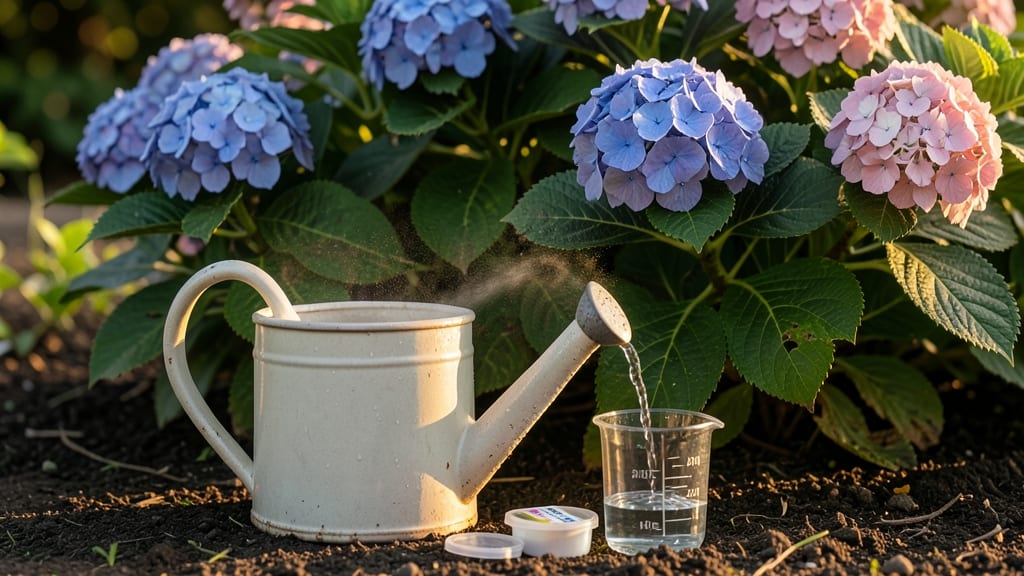
To water flowers properly, aim for 1–2 inches of water per week — but that’s just the starting point, because soil type, plant type, and weather turn it into a moving target.
Overwatering kills more plants than underwatering — yet most gardeners guess their flower watering schedule instead of following science-backed rules. I’ve drowned petunias and let dahlias wilt, only to realize I was either soaking the soil or leaving it bone-dry.
Here’s the game-changer: deep watering at the right intervals beats frequent light sprinkles every day. The key is checking soil moisture 2 inches down — dry at that depth? It’s time to water. Too soggy? Wait another day.
In this guide, I’ll break down watering needs by flower type, seasonal adjustments, and the 5 telltale signs you’re watering wrong — so you can finally stop guessing and start growing lush, thriving blooms.
Science-backed watering rules for flowers: how deep and how often
Most gardeners water flowers based on guesswork—checking the calendar or eyeballing soil moisture. But science shows that root zone depth and watering frequency are far more critical. Flowers need water to reach their deepest roots, not just the top inch of soil.
The key? A soil moisture depth test that mimics nature's slow, deep watering cycles.
Think of it like this: Annuals (like petunias) have shallow roots and need frequent, light watering, while perennials (like lavender) have deep taproots and can handle long dry spells.
Overwatering is the #1 killer—it suffocates roots by cutting off oxygen, while underwatering stresses plants into early dormancy. Let's fix that with data-driven rules.
🔍 The Soil Moisture Depth Test: Stick your finger 2-3 inches deep. If it feels dry, water until moisture reaches 6-8 inches deep for established plants. For containers, lift the pot—if it's light, water thoroughly until it drains from the bottom. This mimics natural rainfall patterns better than surface sprinkling.
Here's where most gardeners go wrong: they water lightly and often, encouraging shallow roots. Instead, aim for deep, infrequent watering that forces roots to grow downward. For example, a tomato plant needs water to penetrate 12+ inches deep, while a marigold only needs 3-4 inches.
The comparison below breaks it down by plant type and season.
The root zone science behind this rule is simple: plants develop roots where moisture is available. When you water shallowly, roots stay near the surface and become drought-sensitive. Deep watering triggers roots to grow downward, creating a resilient root system that can access water during dry spells.
For example, my roses thrived after I switched to deep watering—now they bloom all summer with half the effort.
Seasonal adjustments are critical. In spring, water lightly but frequently to encourage top growth, while summer demands deep, early-morning watering to prevent evaporation. Fall slows watering to 50% of summer rates, and winter often requires none at all (except for evergreens).
Always check soil moisture before watering—clay soil stays wet longer than sandy soil, so adjust accordingly.
Pro tip: Use a moisture meter or the screwdriver test—if a screwdriver turns easily at 2 inches deep, your soil is too wet. For containers, weigh them: a dry pot feels light, while a moist one feels heavy.
Mulch with 2-3 inches of organic matter (straw or wood chips) to lock in moisture and reduce watering by 30%. My geraniums now go 10 days without watering thanks to this trick!
Remember, overwatering causes root rot (black, mushy roots) while underwatering leads to wilting despite wet soil. The goal is consistent moisture, not soggy or bone-dry conditions.
Start with the soil moisture depth test, adjust for your climate and soil type, and soon your flowers will reward you with vibrant blooms all season. 🌸
Watering schedule by flower type: what your plants Really Need
Not all flowers drink the same amount of water—some guzzle it like thirsty hikers while others sip like tea lovers. Roses and petunias demand 1-2 inches per week, while succulents and lavender survive on just 1 inch per month.
Understanding these needs prevents both root rot from overwatering and wilting from neglect. Let’s break down the exact watering rules for 12 common flowers, plus seasonal tweaks to keep them blooming beautifully.
Your local climate plays a huge role—humid zones (like Florida) may need 20-30% less water than arid regions (like Arizona). Always check soil moisture by sticking your finger 1-2 inches deep before watering.
If it’s dry, it’s time; if damp, wait another day. Morning watering (before 10 AM) is ideal—it reduces evaporation and fungal risks. Now, let’s dive into the flower-by-flower breakdown to nail your watering schedule.