
Flowers
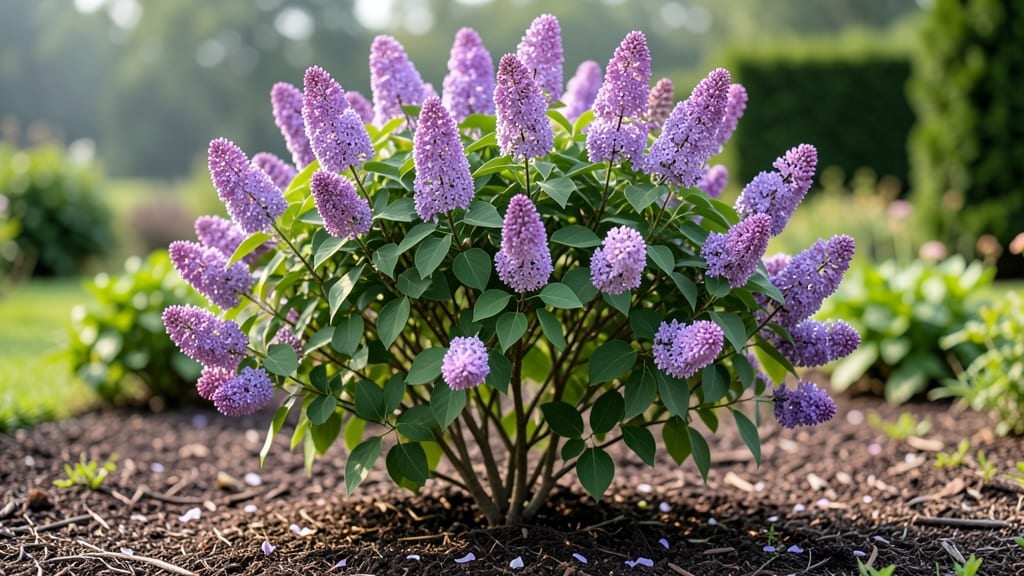
Lilacs flower in late spring to early summer 🌸, but the exact timing depends on your variety and climate zone — and yes, that means your neighbor’s blooms might appear weeks before yours.
If you’ve ever wondered why your lilac bush seems to bloom at different times each year—or why your neighbor’s flowers appear weeks earlier—timing is everything. Understanding when lilac flowers bloom by variety and climate zone can mean the difference between a stunning spring display and a missed opportunity.
Most lilacs in USDA Zone 6a burst into color between April and May, but early bloomers like Syringa meyeri can start as early as March, while late varieties may linger into June. The key? Sunlight, pruning, and even last year’s growth all play a role in setting the stage.
Below, I’ll break down the best blooming windows by variety, how to adjust care for your specific climate, and the 5 signs your lilac isn’t blooming on schedule—plus how to fix it before next season.
Lilac bloom timing by variety: when to expect flowers each year
Lilacs are one of the most fragrant shrubs in gardens, but their bloom timing varies dramatically by variety. Some burst into color as early as late April, while others wait until early June.
Knowing your lilac’s type helps you anticipate—and enjoy—those highly aromatic clusters of flowers each spring.
Most lilacs bloom in late spring to early summer, but the exact timing depends on factors like climate zone, sunlight exposure, and pruning habits. Early bloomers often appear in Zone 5 or colder, while late varieties thrive in warmer southern climates.
Let’s explore the most popular types and their typical bloom windows.
🌸
| Variety | Bloom Time | Key Features | Best For |
|---|---|---|---|
| Syringa vulgaris (Common Lilac) | Mid-May to early June | Classic fragrance, purple blooms | Traditional gardens, cut flowers |
| Syringa meyeri (Meyer Lilac) | Early May to late May | Compact, early bloomer, light scent | Small gardens, containers |
| Syringa oblata (Japanese Tree Lilac) | Mid-June to early July | Large, tree-like, fragrant | Specimen plants, large landscapes |
| Syringa patula (Missouri Lilac) | Late May to mid-June | Dense clusters, drought-tolerant | Dry climates, pollinator gardens |
| Syringa pubescens (Himalayan Lilac) | Early June to late June | Dark foliage, late bloomer | Shade gardens, unique textures |
Understanding these bloom windows helps you plan your garden layout. For example, pairing an early bloomer like Meyer Lilac with a late bloomer like Japanese Tree Lilac extends your fragrance season from May to July. This creates a continuous display that keeps your garden vibrant all summer.
Identifying bloom stages is key to predicting when your lilac will flower. In early spring, watch for bud swell—small green bumps forming at the tips of branches.
These buds will eventually open into flowers, typically within 2-4 weeks, depending on the variety. Peak bloom occurs when most flowers are fully open, followed by a gradual fading phase over 1-2 weeks.
If your lilac blooms later than expected, it could signal nutrient deficiency or improper pruning. Always prune after flowering to avoid cutting off next year’s buds. For example, Syringa vulgaris blooms on old wood, so pruning in late summer ensures robust blooms the following spring.
Regional variations also play a role. In colder zones (4-6), lilacs often bloom earlier to take advantage of shorter growing seasons. Meanwhile, in warmer zones (7-9), blooms may stretch into early summer.
For instance, a Meyer Lilac in Zone 7 might bloom in late April, while the same variety in Zone 4 could wait until early May.
To encourage earlier blooms, provide full sun exposure (at least 6 hours daily) and well-draining soil. Mulching around the base in early spring helps retain moisture and nutrients, which can advance bloom timing by 1-2 weeks.
Additionally, fertilizing in early spring with a balanced 10-10-10 formula supports bud formation.
For gardeners in warmer climates, late-blooming varieties like Japanese Tree Lilac thrive with afternoon shade to prevent heat stress. In contrast, drought-tolerant Missouri Lilac performs best in hot, dry conditions and may bloom later than expected if overwatered.
🌿
How climate zones affect lilac flowering: USDA Zone guide
Your lilac’s blooming schedule isn’t just about the variety—it’s heavily influenced by your USDA hardiness zone. In colder zones like Zone 5, lilacs often bloom 2-3 weeks earlier than in warmer Zone 8 climates.
This shift happens because lilacs need chilling hours (300-600 hours below 45°F) to set buds properly, while warmer zones may delay blooming until temperatures stabilize.
For example, a Syringa vulgaris in Zone 5 might burst into bloom by mid-May, while the same variety in Zone 8 could wait until early June.
Understanding these patterns helps you adjust care to maximize blooms. Let’s compare how zones affect timing and what you can do to encourage perfect flowering.
| USDA Zone | Typical Bloom Window | Climate Influence | Care Adjustments |
|---|---|---|---|
| Zone 5 | Late April to mid-May | Early blooms due to cold winters | Prune after blooming; mulch heavily |
| Zone 6 | Early May to late May | Moderate chill; consistent blooms | Fertilize in early spring; full sun |
| Zone 7 | Mid-May to early June | Warmer winters delay blooms | Provide afternoon shade; water deeply |
| Zone 8 | Late May to mid-June | Hot summers extend bloom season | Prune lightly; avoid overwatering |
In Zone 5, where winters are harsh, lilacs often bloom earlier to take advantage of the short growing season. This is why you’ll see Meyer Lilac flowering as early as late April in these climates.
The key is to prune immediately after blooming to avoid cutting off next year’s buds, which form on old wood.
Conversely, in Zone 8, where winters are mild, lilacs may wait until late May or June to bloom. Here, providing afternoon shade helps prevent heat stress, which can delay flowering.
For example, a Japanese Tree Lilac in Zone 8 might bloom in mid-June instead of May, but the flowers will last longer due to cooler evenings.
Watering needs also shift by zone. In drier climates (Zones 7-8), lilacs benefit from deep watering every 10-14 days, while in humid Zone 5, weekly watering may be sufficient.
Always water in the morning to reduce fungal risks. Additionally, mulching in early spring helps retain moisture and encourages earlier bud formation.
For gardeners in transition zones (6-7), where winters are unpredictable, choose early-blooming varieties like Syringa meyeri to ensure consistent color. These varieties thrive with 6+ hours of sun and well-draining soil, making them ideal for Zone 6’s variable climate.
If your lilac blooms later than expected, check for nutrient deficiencies or over-pruning, and adjust care accordingly.
🌿