
Shrubs
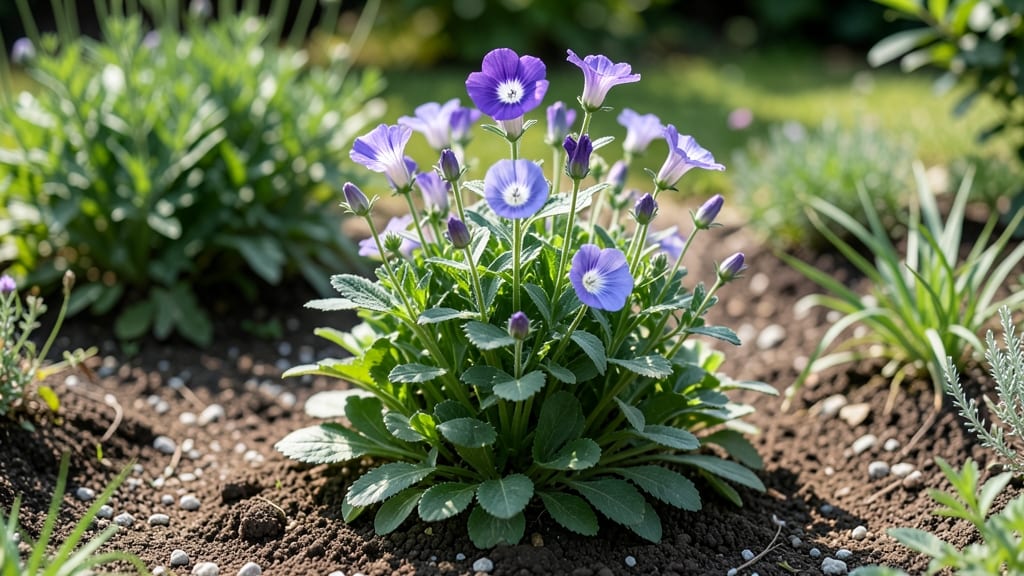
Balloon flower thrives in sun or shade with the right balance 🌸 — too much direct heat can scorch its delicate blooms, while too little light stunts its growth.
Picture this: you’ve planted your Balloon Flower with high hopes, only to watch it produce sparse, weak stems instead of the vibrant blooms you imagined. The culprit? Light exposure. This medium-height perennial is surprisingly adaptable, but its needs shift depending on your climate and garden setup.
Whether you’re in a sunny border or a dappled woodland edge, I’ll break down how to match its light preferences to your space. You’ll learn how to spot signs of stress, adjust care for peak blooms, and even pick the best cultivars for your conditions.
By the end, you’ll know exactly where to plant yours for year-round color—no more guesswork, just stunning results.
 Best Window Placement
Optimal sunlight requirements for balloon flower blooms in sun vs shade
Balloon flowers (Platycodon grandiflorus) thrive with flexibility in sunlight, but their bloom size and color intensity depend heavily on light exposure. While they tolerate partial shade, too little light leads to leggy stems and sparse flowers.
In contrast, full sun can scorch leaves in hot climates, making morning sun and afternoon shade ideal in many regions. Understanding these nuances ensures vibrant blooms year-round.
Scientifically, balloon flowers optimize photosynthesis under moderate light intensity, balancing energy production with moisture retention. Their leaves contain anthocyanins, pigments that protect cells from excess sunlight while enhancing color vibrancy.
This adaptability makes them perfect for USDA zones 3-9, but regional adjustments are key—cooler zones (like zone 3) handle full sun better, while hotter zones (like zone 9) need shade protection.
Here’s how light exposure directly impacts your balloon flowers:
In full sun, balloon flowers produce larger blooms with richer colors, but only if moisture levels are managed. For example, in USDA zone 5, plants in full sun may need daily watering during summer to prevent leaf scorch.
In contrast, partial shade reduces watering needs while still encouraging blooms, though colors may fade slightly. This balance is why many gardeners opt for morning sun exposure—it provides energy without the afternoon heat stress.
Color intensity is another clue to light needs. Deep blue or purple blooms signal optimal light, while pale or green-tinged flowers indicate insufficient sunlight. For instance, the cultivar 'Hortensia' thrives in full sun, producing vibrant pink blooms, whereas 'Sentimental Blue' adapts better to partial shade with softer hues.
Testing light conditions with a light meter (or even a smartphone app) can help fine-tune placement for peak performance.
Regional climate plays a critical role. In cooler zones (3-5), balloon flowers can handle full sun all day, but in hotter zones (7-9), afternoon shade becomes essential.
For example, in Arizona (zone 9), I’ve seen balloon flowers wilt under direct afternoon sun unless shaded by nearby shrubs or a lattice. A simple trick? Plant them near tall grasses or perennials to filter harsh rays while maintaining airflow.
Photosynthesis efficiency drops in deep shade, leading to leggy growth and fewer blooms. Balloon flowers compensate by stretching toward light, but this weakens stems and reduces flower production.
To counteract this, I recommend supplemental grow lights (like LED bulbs) in low-light indoor setups or reflective surfaces (e.g., white walls) to bounce light onto plants. Even 3-4 hours of indirect light can improve bloom quality in shaded spots.
Pro tip: Rotate containers every few weeks if growing balloon flowers in pots. This ensures all sides receive even light exposure, preventing lopsided growth. For in-ground plants, mulch heavily around the base to retain moisture and cool roots in sunny conditions.
This dual approach—balancing light and hydration—keeps your balloon flowers blooming abundantly from early summer to fall.
🌸
How to adjust care for balloon flowers in low-light vs sunny spots
Balloon flowers (Platycodon grandiflorus) are famously adaptable, but their care shifts dramatically based on light exposure. In full sun, they demand more frequent watering and richer soil, while in low-light spots, they reward you with slower growth and smaller blooms if neglected.
Let’s fix that by tailoring your approach to match their environment.
First, assess your garden’s light conditions. A sunny spot means at least 6 hours of direct sun daily, while partial shade offers filtered light (3-6 hours).
Balloon flowers thrive in morning sun with afternoon shade—this balance prevents leaf scorch while fueling blooms. If your plants look stressed, it’s time to adjust.
Ignoring light needs leads to leggy stems (too little light) or brown leaf edges (too much sun). In shade, stems stretch toward light, weakening structure. In full sun, leaves crisp and flowers fade prematurely. Act now: prune leggy growth to encourage bushiness, and move pots if needed.
For sunny spots, amend soil with compost and perlite to improve drainage and retain moisture. Water deeply twice weekly in summer, focusing on the root zone.
Mulch with straw or pine needles to lock in moisture and cool roots. In these conditions, fertilize monthly with a balanced 10-10-10 mix to support vibrant blooms.
In low-light areas, prioritize organic matter like leaf mold or worm castings to enrich poor soil. Water once weekly, letting the top inch dry between sessions. Avoid fertilizers high in nitrogen—they promote foliage over flowers.
Instead, use a low-nitrogen, bloom-boosting formula like 5-10-10 every 6 weeks. Pair with tall companions like delphiniums to shield from stray sun rays.
Troubleshooting is key. Leggy stems? Trim back by one-third and stake for support. Sparse blooms? Deadhead spent flowers and move to a sunnier spot. Leaf scorch?
Provide afternoon shade with a sheer curtain or nearby shrubs. Revive struggling plants by watering deeply and applying a seaweed-based tonic to rebuild vigor.
With these adjustments, your balloon flowers will rebound—whether basking in sun or thriving in shade. The secret lies in observation and adaptation. Monitor their response weekly and tweak care as needed. Soon, you’ll enjoy bold blooms year-round, regardless of your garden’s light conditions.