
Propagation
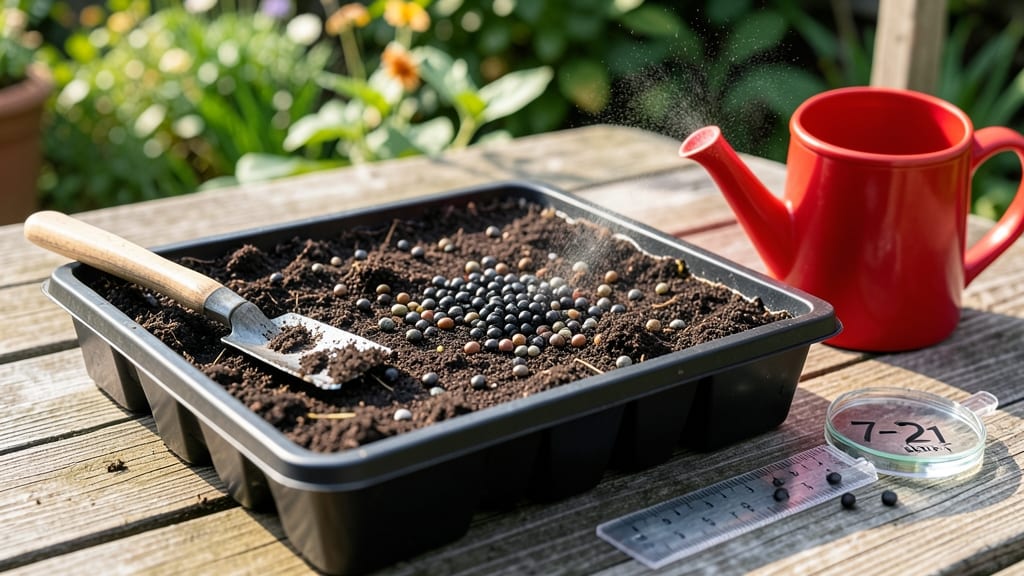
Wildflowers to germinate can take anywhere from 3 days to 30 days, depending on the species and conditions — and knowing the right timing saves you from weeks of waiting on empty soil.
Picture this: you’ve scattered your 🌼 seeds in early spring, dreaming of a burst of color by summer, only to stare at bare earth for what feels like forever. The truth? Some varieties pop up in a week, while others play hard to get for a full month.
Soil temperature is the biggest game-changer—cool spring mornings can double germination time, while warm, moist soil speeds things up. Even the type of seed matters: annuals like cosmos often sprout in 7 days, while perennials like black-eyed Susans may take 21 days or more.
Here’s what you’ll discover: the exact days for popular wildflowers, how to tweak conditions for faster sprouts, and what to do when your seeds seem stuck in limbo. No more guessing—just actionable timing for a blooming success.
Wildflower germination times by seed type (days to first sprouts)
Wildflowers don’t follow a one-size-fits-all germination schedule—some pop up in just 3 days, while others take 30 days or more. The difference often comes down to whether you’re planting annuals (fast growers) or perennials (patient types).
For example, cosmos and zinnia seeds might sprout in 5-7 days, while black-eyed Susans or cone flowers can linger for 2-4 weeks before breaking ground.
Soil temperature plays a starring role here. Most wildflower seeds need 60-75°F soil temps to germinate quickly. If your spring soil is still chilly (below 55°F), even fast-sprouting seeds may stall.
That’s why late summer or early fall planting often works better in cooler climates—warmer air keeps soil temperatures ideal longer. Climate zones 6-9 typically see faster germination than colder regions, where seeds might wait until summer heat arrives.
Here’s the critical breakdown you need before planting. This summary-table organizes wildflowers by their germination windows, so you can plan your meadow’s timeline like a pro.
| Wildflower Type | Germination Time | Ideal Soil Temp (°F) | Notes |
|---|---|---|---|
| Fast Sprouters (Annuals) | 3–7 days | 65–75°F | Cosmos, Zinnia, Sunflower, Marigold |
| Moderate Sprouters (Annuals/Perennials) | 7–14 days | 60–70°F | Poppy, Phlox, Snapdragon, Aster |
| Slow Starters (Perennials) | 14–30 days | 55–65°F | Black-Eyed Susan, Coneflower, Bee Balm, Lavender |
| Very Slow (Deep Dormancy) | 30–90+ days | 50–60°F | Wild Bergamot, Goldenrod, Milkweed (some varieties) |
Notice how annual wildflowers dominate the fast-sprouting category? That’s because they’ve evolved to germinate quickly and complete their life cycle in one season. Perennials, on the other hand, often prioritize establishing deep roots over speed, which is why they take longer.
For example, coneflower seeds might not even crack open until late spring, even if planted in fall.
Pro tip: If you’re impatient like me, mix fast and slow varieties in the same area. While cosmos and zinnias pop up in a week, the slower growers like coneflowers will fill in by mid-summer, creating a non-stop bloom show.
Just scatter seeds lightly—most wildflowers need light to germinate, so don’t bury them more than ¼ inch deep.
Climate matters just as much as seed type. In hot, dry regions (like the Southwest), wildflowers often germinate faster because soil warms up quickly. But in humid climates (like the Pacific Northwest), seeds may rot before sprouting if soil stays too wet.
That’s why I always test soil moisture before planting—stick your finger in the dirt. If it’s damp but not soggy, conditions are perfect.
One more trick: Pre-soak seeds for 12–24 hours if your area has consistently cool springs. This mimics natural rain cycles and can cut germination time by half for varieties like lupine or bluebonnet.
Just don’t overdo it—overwatered seeds rot before they sprout. Aim for consistent moisture, not a swamp.
Finally, remember that germination timelines are estimates. A drought year can stretch things out, while a wet spring might speed things up. Keep a planting journal to track what works in your yard—your local microclimate might defy the general rules.
Patience is key, but now you’ve got the inside scoop on when to expect those first green shoots!
5 Factors that speed up or delay wildflower germination
Wildflower seeds don’t all sprout on the same schedule—some pop up in days while others wait months. The difference often comes down to five key factors you can control. Understanding these will help you time your planting for the fastest, healthiest starts.
For example, cosmos seeds may sprout in just 7-14 days, while black-eyed Susans can take 21-30 days under ideal conditions.
Let’s break down the critical variables that determine whether your wildflower patch will burst with life or leave you staring at bare soil. Each factor acts like a switch—flip it the right way, and you’ll see those first green shoots in record time.
The good news? Most of these adjustments are simple and don’t require a green thumb. Start with soil moisture, the most common stumbling block for new gardeners.
🌱 numbered-highlights 🌱
- 💧 Soil Moisture: Keep soil consistently damp (not soggy) for 7-14 days post-planting. Use a spray bottle for delicate seeds like lupines.
- 🌡️ Temperature: Most wildflowers need 60-75°F soil temps. Use a seedling mat if spring soil is too cold.
- 🌿 Seed Coating: Encapsulated seeds (like coneflowers) germinate slower—scratch lightly with sandpaper to speed it up.
- ☀️ Light Exposure: Many wildflowers need light to germinate. Press seeds into soil (don’t bury) for species like poppies.
- ⏳ Pre-Treatment: Stratification (cold treatment) for perennials like bee balm cuts germination time by 50%.
First up is soil moisture, which is often the difference between success and failure. Too little, and seeds dry out before sprouting; too much, and they rot.
I’ve seen annual wildflowers like zinnia germinate in just 5-7 days when kept moist, while perennials like purple coneflower may take 2-3 weeks if the soil stays too dry. Use a moisture meter or the finger test—stick your finger an inch deep; if it’s dry, water gently.
Next, temperature plays a huge role. Most wildflower seeds need soil temperatures between 60-75°F to germinate. If you’re planting in early spring or fall, your soil might be too cold. A clear plastic tunnel or row cover can add 5-10°F of warmth to kickstart germination.
For example, sunflowers will sprout in 7-10 days at 70°F, but may take 3+ weeks if soil temps are below 60°F.
Don’t overlook seed coatings, which can add weeks to germination time. Many commercial wildflower mixes include encapsulated seeds that require scarification (lightly scratching the seed coat) to speed up the process.
For instance, black-eyed Susan seeds often have a hard outer layer—rubbing them between two sheets of sandpaper can cut germination time from 30 days to just 14 days. Always check the seed packet for specific instructions.
Light exposure is another game-changer, especially for light-dependent germinators like California poppies or lupines. These seeds need sunlight to trigger sprouting, so avoid burying them more than 1/4 inch deep. If you’re sowing in shaded areas, consider using a grow light for 12-14 hours daily until seedlings appear.
I’ve had poppies emerge in just 5 days with proper light, compared to 3+ weeks when planted too deep in shade.
Finally, pre-treatment methods like stratification or scarification can shave weeks off germination time. For example, wild bergamot (bee balm) benefits from 60 days of cold stratification, which mimics winter conditions and signals the seed it’s time to grow.
If you skip this step, you might wait 6-8 weeks instead of the usual 21 days. Always follow the seed packet’s instructions—some seeds, like coreopsis, don’t need pre-treatment and will sprout faster without it.