
Plants
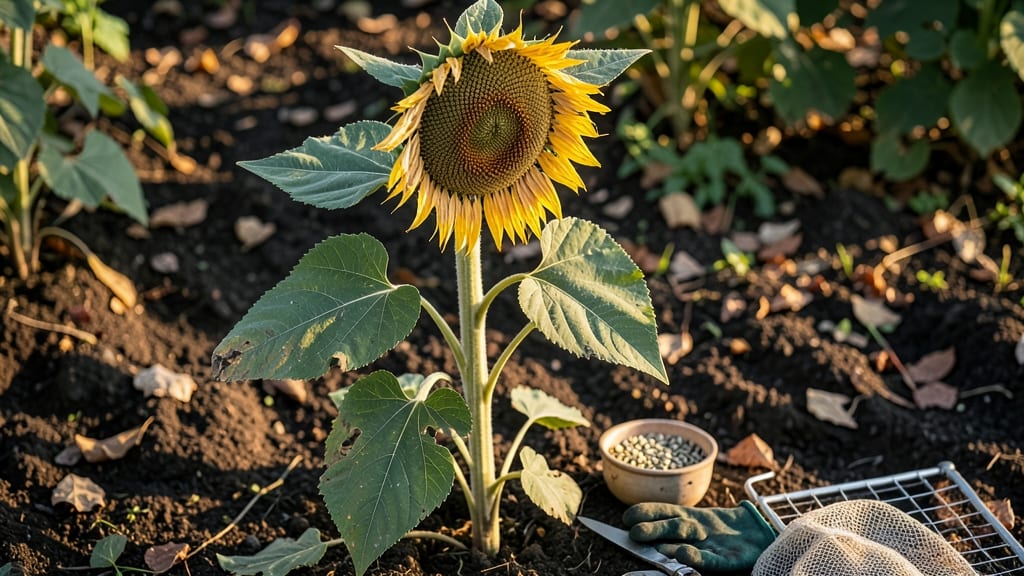
Harvesting sunflower seeds from plants at the right time ensures you get perfectly mature, flavorful seeds ready for storage or replanting.
Sunflowers aren’t just stunning summer blooms—their seeds are a nutritious harvest waiting to be unlocked. But timing is everything: pick too early, and you’ll end up with bitter, underdeveloped seeds. Too late, and they’ll scatter or spoil.
In USDA Zone 6a, late summer to early fall—typically August through October—is your window. Look for the back of the seed head turning yellow-brown, petals falling away, and a dry, papery texture. Shake the head gently; if seeds rattle inside, they’re ready.
Below, I’ll walk you through the exact visual cues, seasonal timing, and post-harvest tips to ensure your sunflower seeds stay fresh and full of potential for months to come.


How to identify the perfect sunflower seed harvest time
Harvesting sunflower seeds at the right time transforms a beautiful bloom into a nutritious harvest ready for storage or replanting. The key lies in watching for visual maturity cues that signal seeds are fully developed but not yet scattered by birds or spoiled by frost.
I’ve learned that seed color changes and flower head dryness are the most reliable indicators—here’s exactly what to look for.
First, focus on the flower head’s backside. When the yellow-brown color replaces green, it’s a clear sign the seeds are maturing. This change happens gradually, so check your sunflowers weekly in late summer (typically August–October in most regions).
The petals will naturally drop off as the head prepares for seed release, leaving the seed cluster exposed.
Next, give the seed head a gentle shake. If you hear a loud rattling sound inside, the seeds are fully mature and ready to harvest. This “sound test” is my foolproof method—immature seeds feel hollow, while mature ones create a distinct dry, papery noise.
Pro tip: Perform this test on a dry, sunny day when humidity won’t interfere with your judgment.
Avoid harvesting if the seed head feels moist or the seeds don’t rattle. Premature harvesting leads to bitter, underdeveloped seeds that won’t store well. Patience is key—wait until the entire head turns uniformly brown and the seeds feel firm when touched.
This usually takes 90–120 days after planting, depending on your sunflower variety.
Now, let’s talk environmental factors. Frost is the biggest enemy of late-season sunflowers. If a light frost is forecasted before your seeds mature, harvest immediately—even if they’re not fully brown. Seeds can still be viable for planting if dried properly, though they may not be ideal for eating.
In warmer climates, you might extend the harvest window into early November, but always prioritize seed maturity over calendar dates.
Regional differences matter too. In USDA Zone 6a (like my garden), first frost typically arrives by mid-October, so I aim to harvest by early October. If you’re in a warmer zone (8+), you may have until November.
Check your local frost dates and adjust accordingly—this ensures you beat the clock before seeds scatter or spoil.
Here’s a quick visual guide to help you spot the perfect harvest time at a glance:
One mistake I see gardeners make is waiting until the seed head splits open naturally. By then, seeds are often scattered by birds or squirrels. Instead, cut the head when it’s 80% mature—this gives you a buffer for drying indoors.
Use a clean, sharp pruner to cut the stem about 6–12 inches below the head, leaving the stem intact for hanging.
For dwarf varieties (2–4 feet tall), harvest timing is similar, but their smaller size makes them more vulnerable to wind scatter.
If you’re growing sunflowers for bird feeders, you can leave a few heads on the plant until they fully open—but always save the best specimens for seed storage. Pro tip: Label your varieties if you’re growing multiple types, as maturity rates can vary slightly.
Finally, remember that seed storage life depends on proper drying. Once harvested, dry the heads in a well-ventilated, dry space (like a garage or shed) for 1–2 weeks before removing the seeds.
This prevents mold and ensures your seeds stay viable for 1–2 years when stored in a cool, dark place. With these cues, you’ll never miss the perfect harvest window again!
Step-by-Step guide to harvesting sunflower seeds for long-term storage
Once you’ve spotted the perfectly mature sunflower heads, the next step is harvesting and processing them for storage. Proper technique ensures high-quality seeds that stay viable for months.
Start by cutting the dry seed heads from the plant using clean, sharp pruning shears or a knife. Leave a 1-2 inch stem attached to make handling easier.
After cutting, let the heads dry indoors in a well-ventilated area for 1-2 weeks. Choose a spot with indirect sunlight and good airflow to prevent mold.
Avoid direct sunlight, which can overheat the seeds and reduce their quality. A garage, basement, or covered porch works well for this drying process.
- 🌾 Step 1: Cut the Seed Heads
Use clean shears to cut the fully brown and dry heads, leaving a 1-2 inch stem. - 🌡️ Step 2: Dry Indoors
Hang heads upside down in a well-ventilated, dry area for 1-2 weeks. - 🪣 Step 3: Remove Seeds
Place dried heads in a paper bag and shake vigorously to release seeds. - 🌱 Step 4: Clean and Store
Remove debris, then store seeds in an airtight container in a cool, dark place.
Once the heads are completely dry, place them in a paper bag and seal it tightly. Shake the bag vigorously to dislodge the seeds from the head. Empty the contents onto a clean surface and remove any remaining debris, like chaff or small stems.
This step ensures your seeds stay clean and mold-free during storage.
For long-term storage, transfer the cleaned seeds into an airtight container, such as a glass jar or plastic container with a tight-fitting lid. Store the container in a cool, dark place, like a pantry or basement, where temperatures stay between 40-50°F.
Avoid refrigeration, as moisture fluctuations can cause condensation and spoilage.
Label your storage container with the harvest date and variety, if applicable. Properly stored sunflower seeds can remain viable for up to 3 years, making them perfect for replanting or snacking.
Check your seeds periodically for signs of mold or pests, and transfer them to a new container if needed to maintain freshness.
With these steps, you’ll enjoy a bountiful harvest of sunflower seeds ready for storage or replanting, ensuring a successful gardening season next year. Happy harvesting! 🌻